

July 20, 2026
News
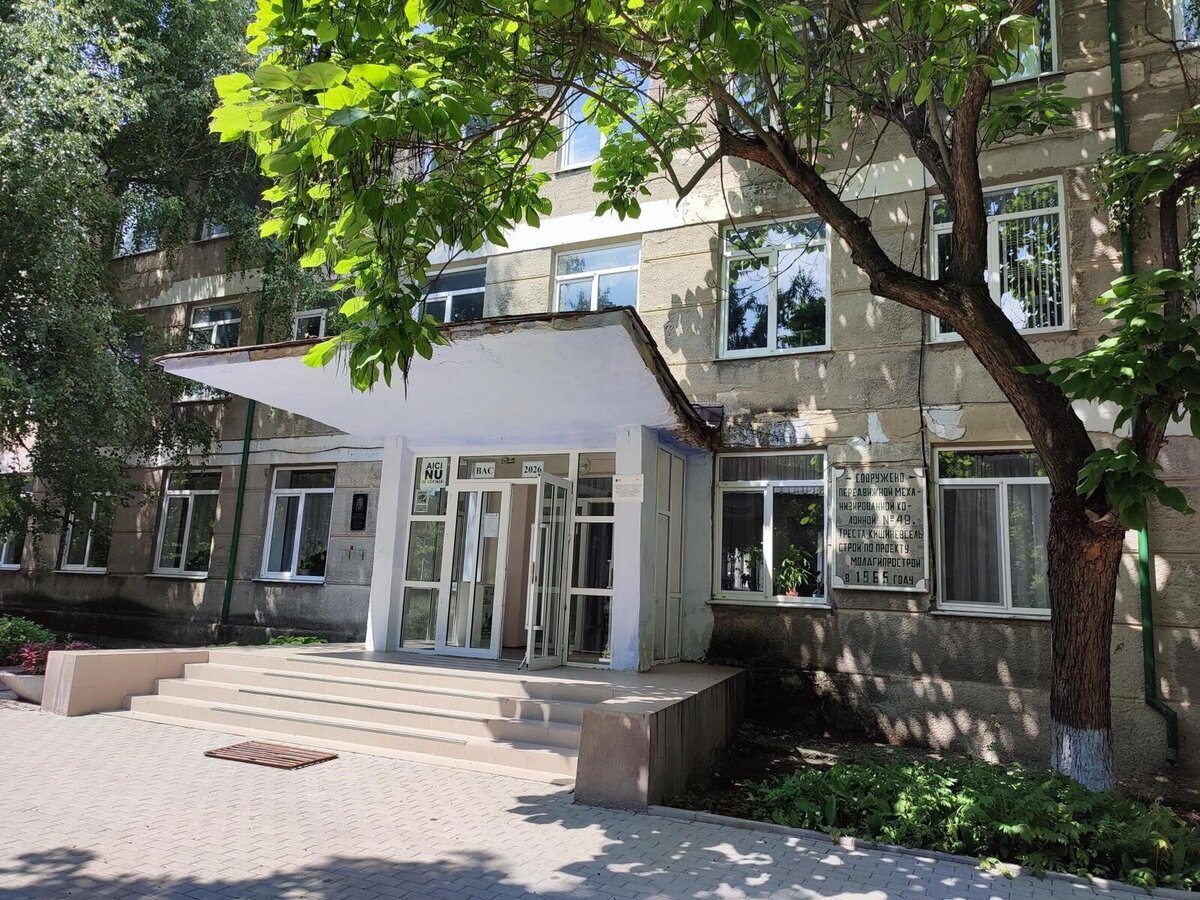
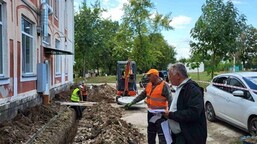
In Moldova, many schools continue to face significant sanitation challenges due to outdated sanitary infrastructure. An insufficient number of sanitary facilities for the growing number of students, ageing sewerage networks, and the lack of accessible toilets for persons with disabilities affect the quality of the learning environment and the well-being of children. Access to safe, functional and inclusive sanitation facilities is essential for students' health, dignity and full participation in education. To help address these challenges, Caritas Czech Republic in Moldova, with the support of the European Union, is implementing a project to rehabilitate sanitary facilities in four educational institutions across the country in 2026. Construction works began in July and are expected to be completed by September, providing improved learning conditions for nearly 1,400 students and school staff.
Better infrastructure for health and inclusion in Moldova
This year's interventions are being done at Gymnasium No. 68 in Dobrogea village (Chișinău Municipality), "Alexei Mateevici" Theoretical Lyceum in Căinari, Răciula Gymnasium in Călărași District, and "Alexandr Pușkin" Theoretical Lyceum in Cimișlia.
The works include the complete renovation of existing sanitary facilities, modernization of internal water supply and sewage systems, electrical and ventilation installations, interior finishing works, and the installation of new sanitary equipment. The facilities will also be adapted to ensure accessibility for all users, including people with reduced mobility.
Through this intervention, Caritas Czech Republic aims to create healthier and more inclusive learning environments where every child has access to safe, dignified, and accessible sanitation. The project contributes to improving educational infrastructure while supporting local authorities and communities in providing quality public services.
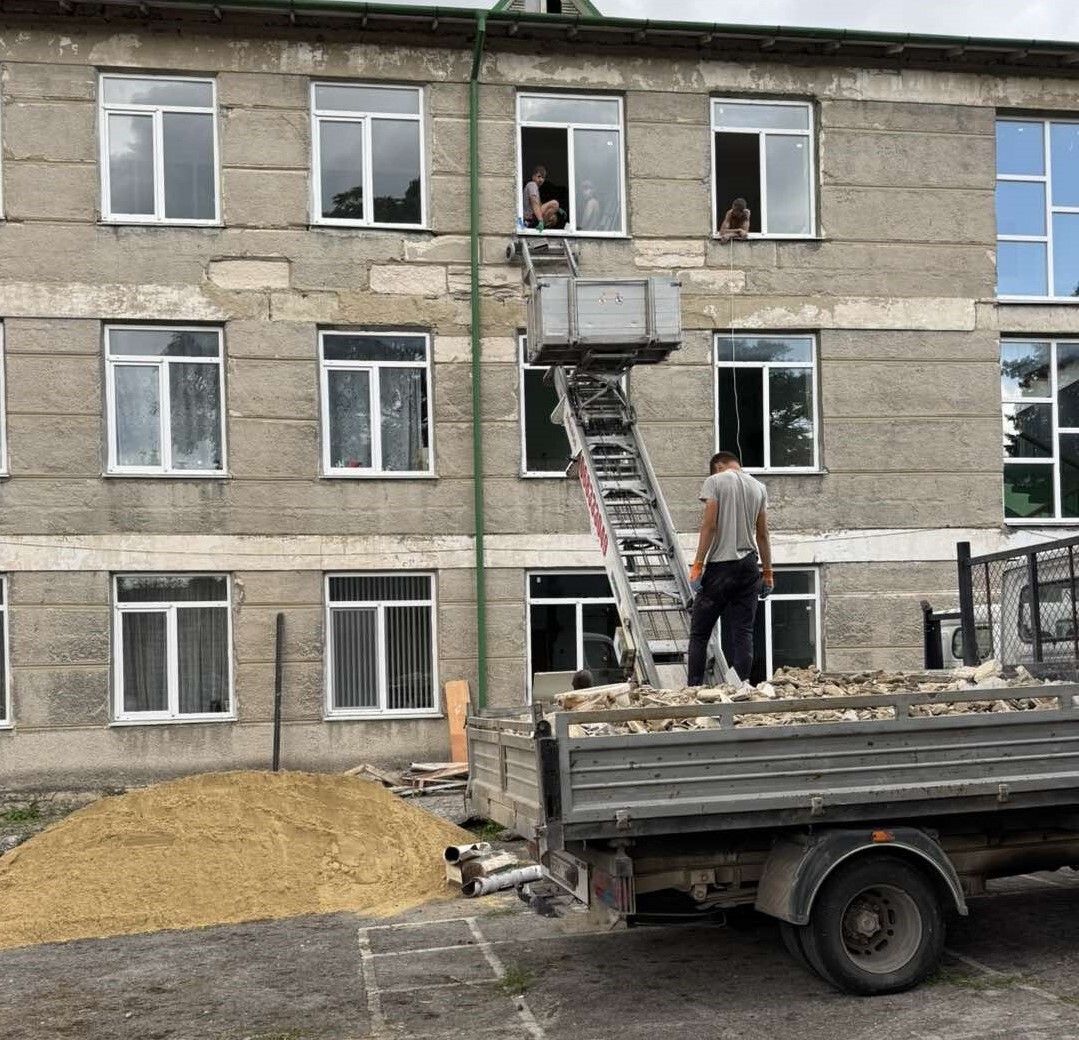
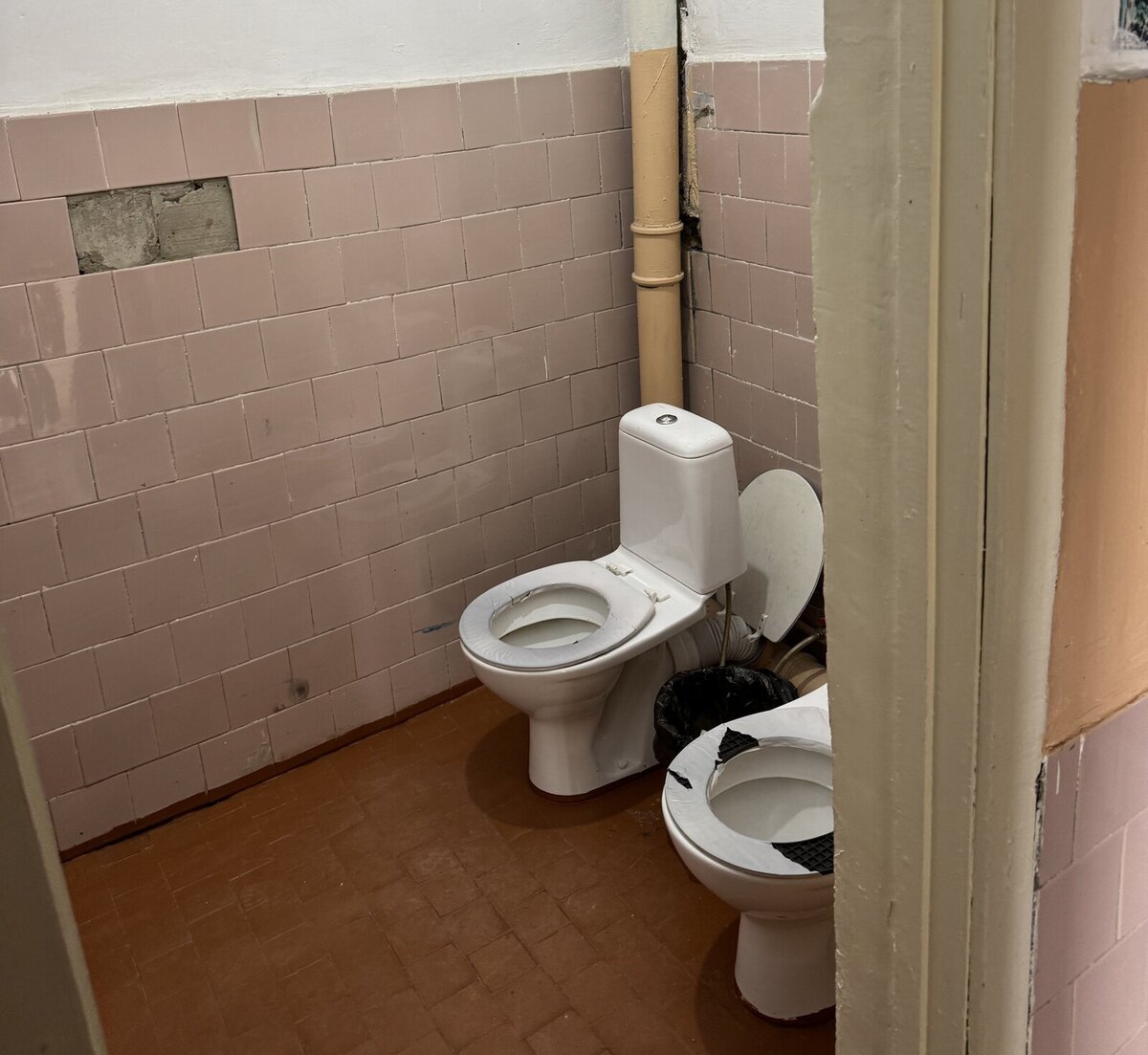
Photos: "Alexei Mateevici" Theoretical Lyceum in Căinari, Moldova
Responding to a long-standing community need
The need to modernise school sanitation facilities has been consistently highlighted by school administrations and local authorities, for whom these investments have remained a priority for many years.
At the "Alexei Mateevici" Theoretical Lyceum in Căinari, attended by 379 students, the last major renovation of the sanitary facilities took place more than three decades ago.
"The last major renovation of our sanitary facilities was carried out in 1991. We have long needed an intervention like this. We are grateful to the donor," said Ludmila R., director of the institution.
In Dobrogea village, where approximately 300 students and staff members will benefit from improved facilities, local authorities welcomed the launch of the works and the positive impact they will have on the community.
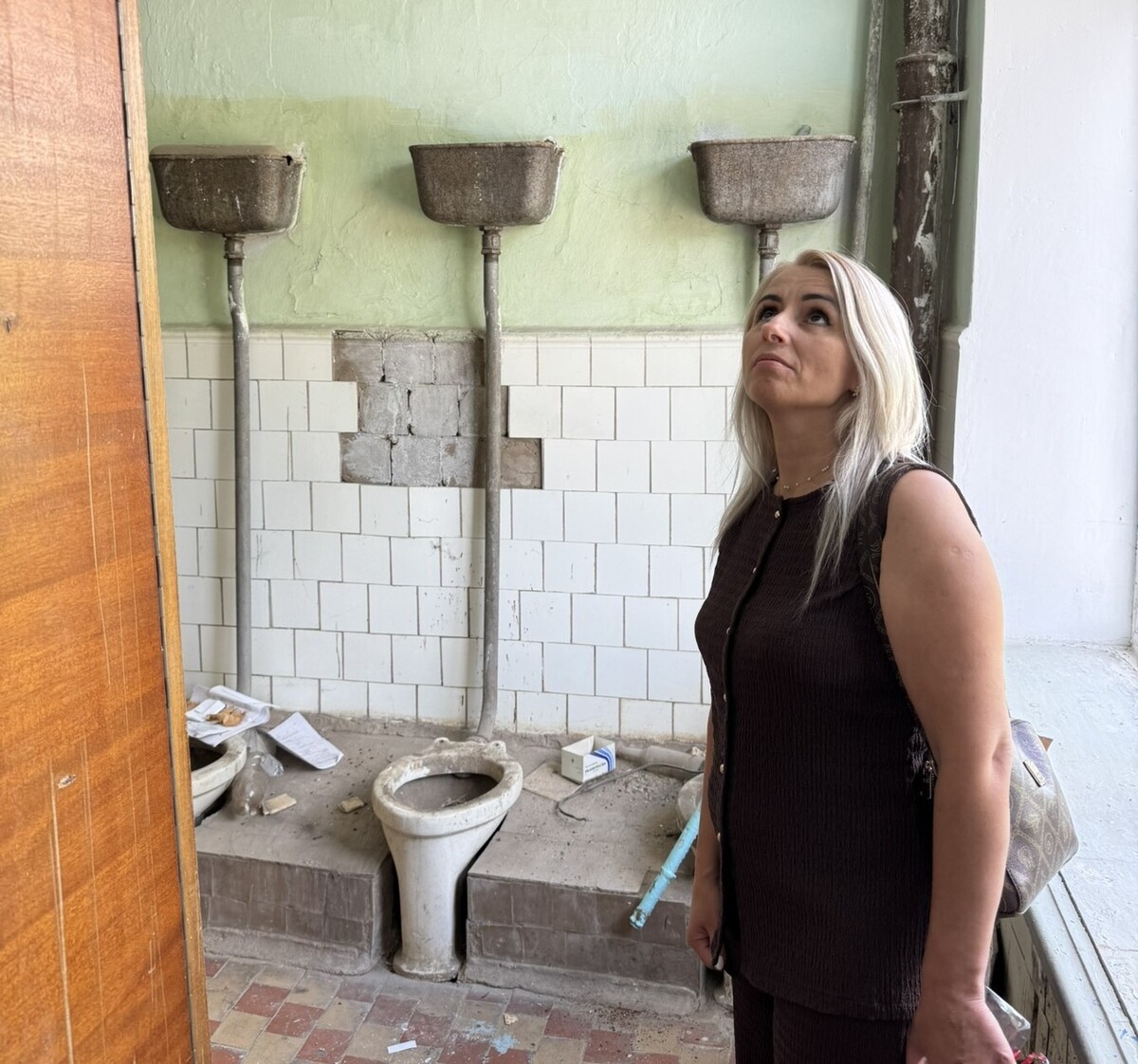
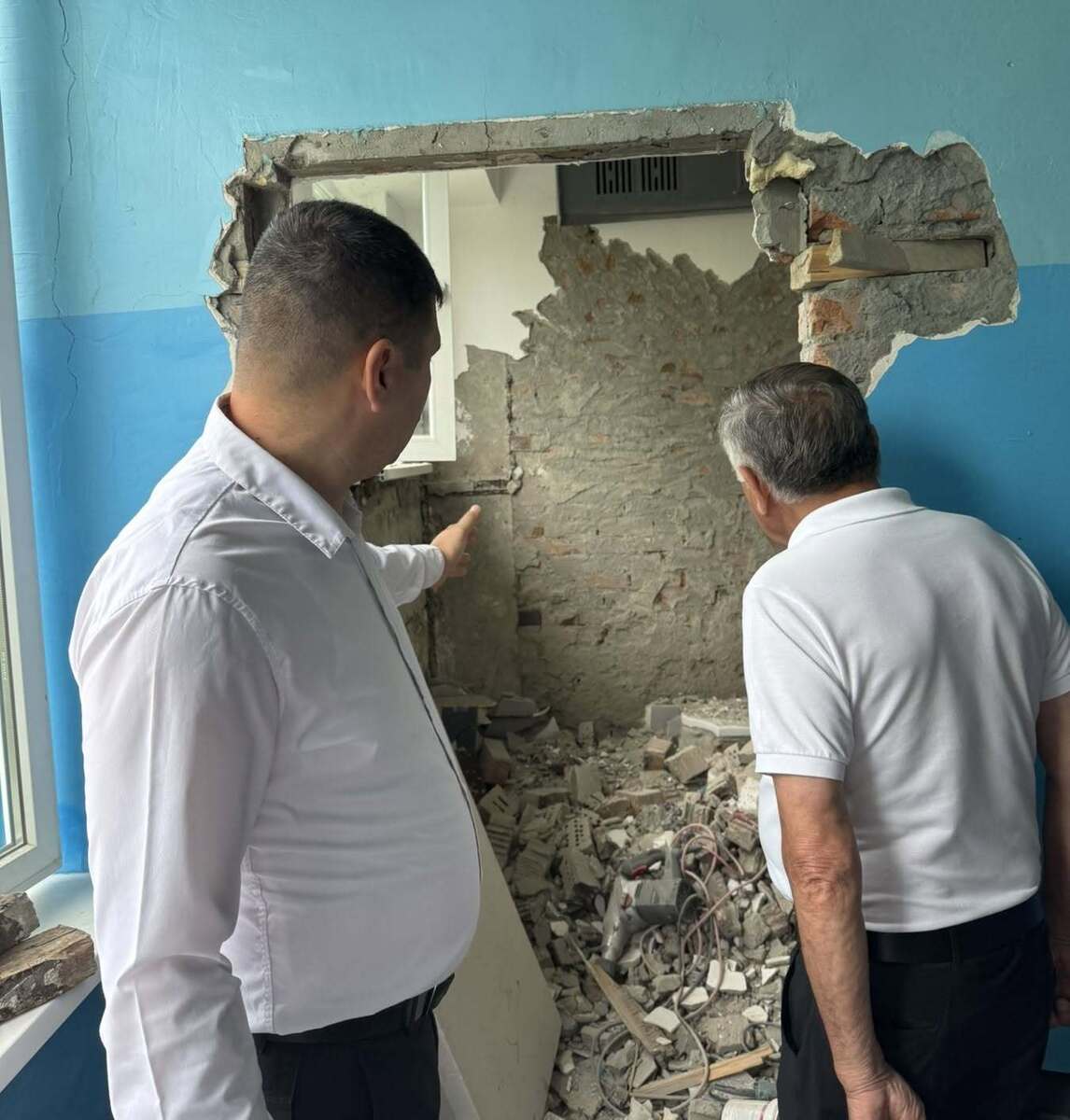
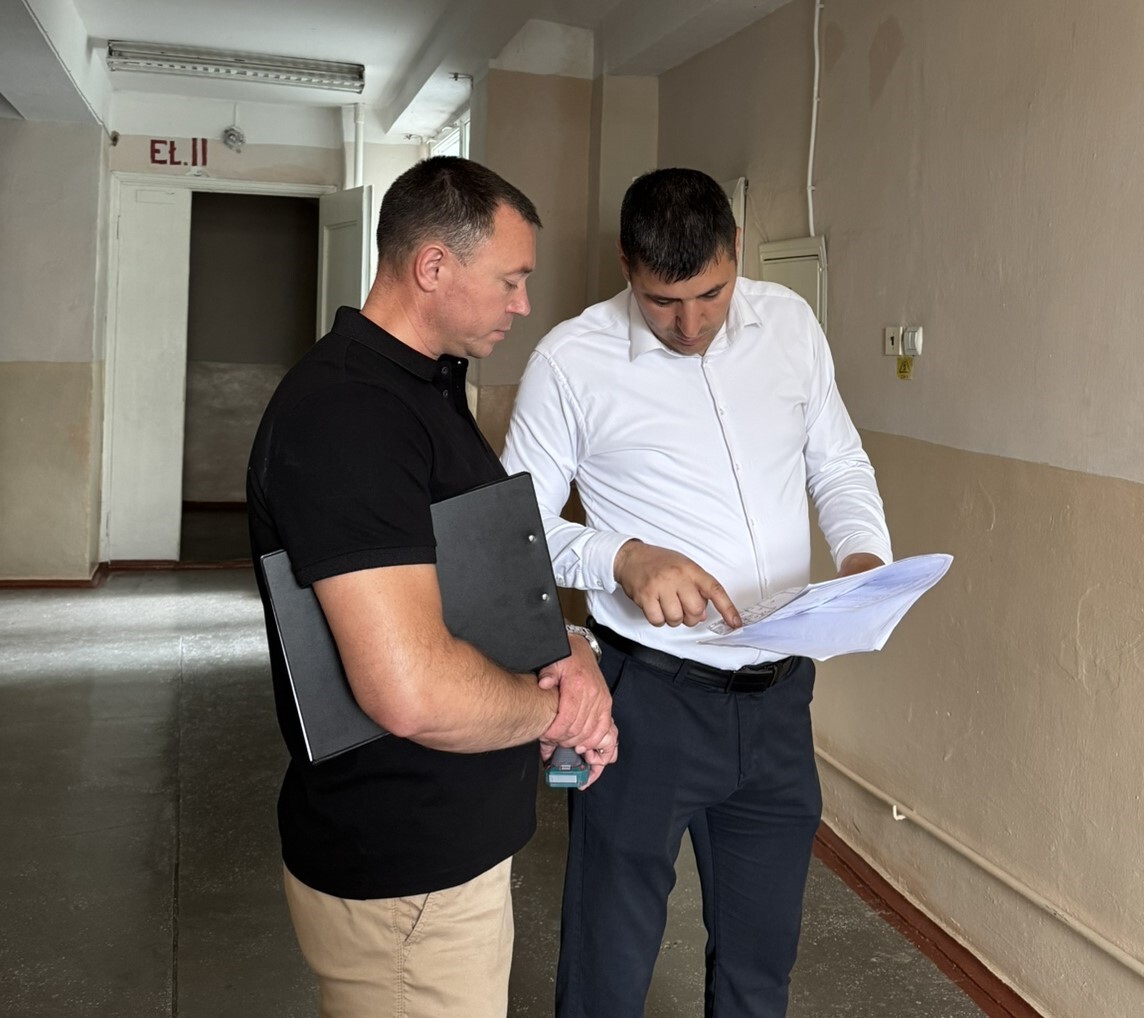
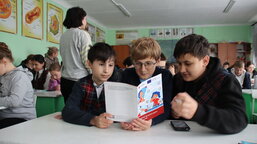
Photos: Gymnasium No. 68 in Dobrogea village, Moldova
"As part of this project, four sanitary facilities will undergo complete renovation. We sincerely thank you for your support and commitment," mentioned Valeriu Popa, Mayor of Dobrogea village.
The other two schools included in the project are Răciula Gymnasium, attended by 207 students, and "Alexandr Pușkin" Theoretical Lyceum in Cimișlia, with approximately 500 students. For all four schools,the project represents an opportunity to provide children with a safer, more comfortable, and more welcoming learning environment.
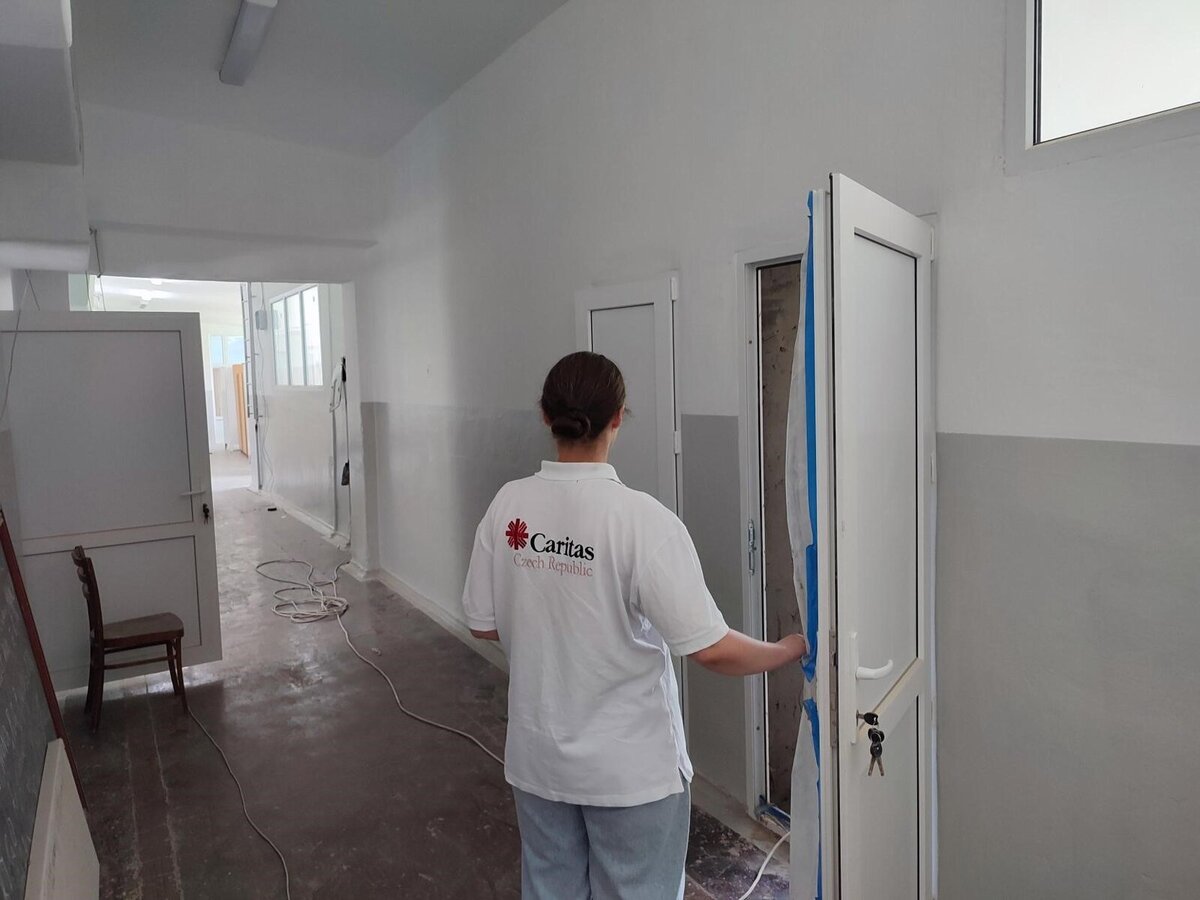
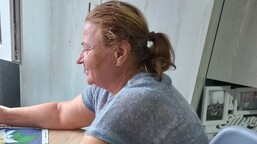
Photo: "Alexandr Pușkin" Theoretical Lyceum in Cimișlia, Moldova
Other initiatives supported by Caritas Czech Republic in Moldova
This project forms part of Caritas Czech Republic's broader efforts to improve Water, Sanitation and Hygiene (WASH) conditions in educational institutions across the Republic of Moldova. By the end of the year, 6 additional schools will benefit from the installation of modern drinking water filtration systems. At the same time, 50 girls from socially vulnerable families in all 10 participating schools will receive personal hygiene kits.
In parallel, Caritas Czech Republic has implemented other innovative and sustainable initiatives, including the installation of a rainwater harvesting and reuse system at the "Albinuța" Kindergarten in Bilicenii Vechi. With the support of Czech and local experts, the organisation has also strengthened social services by establishing protected housing for people living with mental health conditions in Glodeni and Soroca, providing accommodation, social integration support, and assistance in finding employment.
Together, these initiatives demonstrate Caritas Czech Republic's long-term commitment to improving the quality of life in rural communities across Moldova by strengthening hygiene practices, expanding access to sustainable water solutions, and creating safer, healthier and more inclusive learning environments.