

December 17, 2025
News
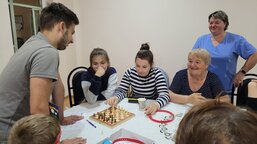
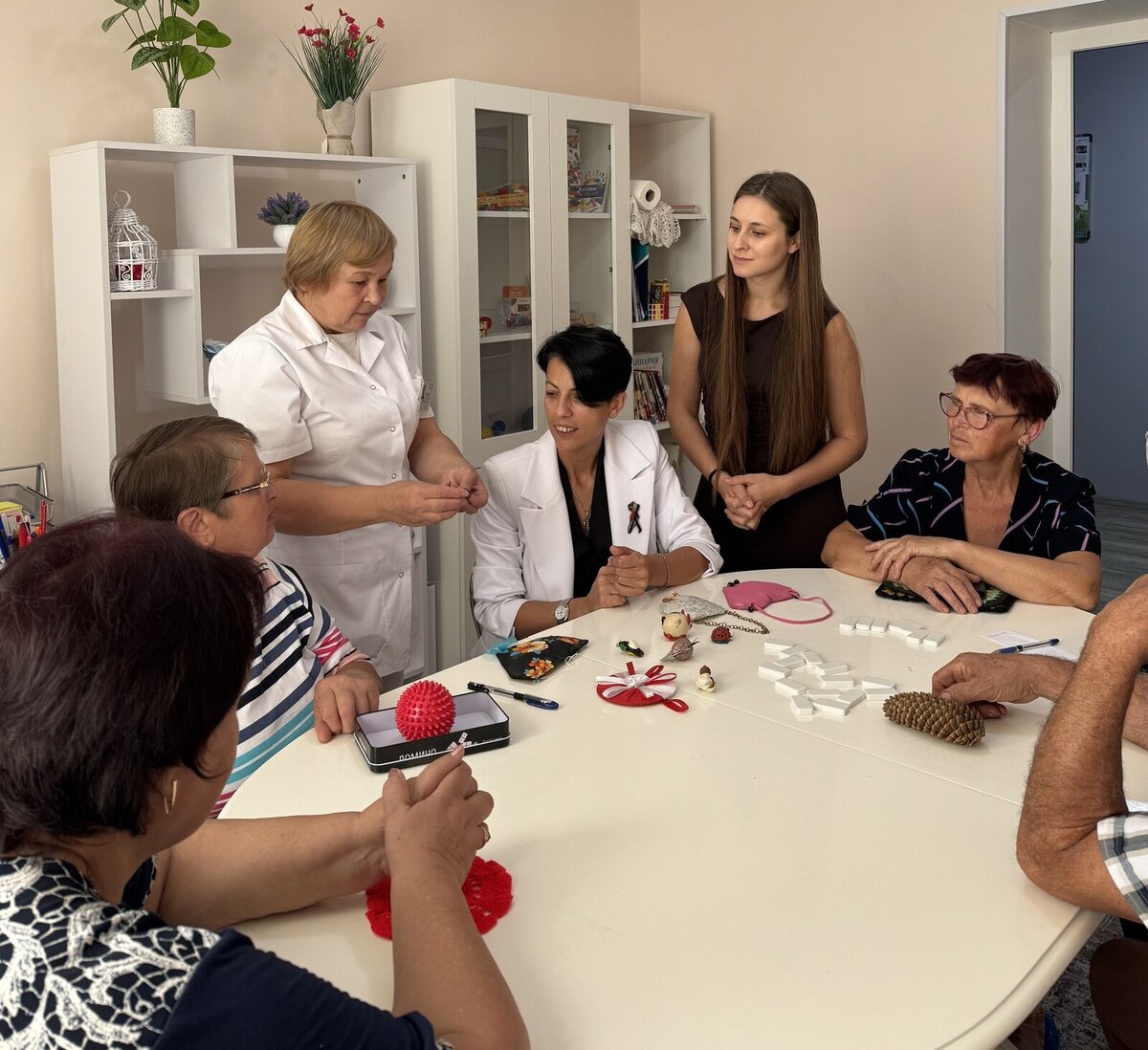
Over the past three years, we have focused our efforts on strengthening home care services in the Republic of Moldova, with the main goal of improving the quality of life of older people and individuals in vulnerable situations. Home care is not only about practical assistance, but also about emotional support, dignity, safety, and a sense of belonging to the community. To support people who live alone and face various needs and health conditions in developing their abilities and improving their quality of life, Caritas Czech Republic, together with AO Homecare, developed occupational therapy services within five medico-social centres across Moldova.
Pilot services bringing real change to rural communities
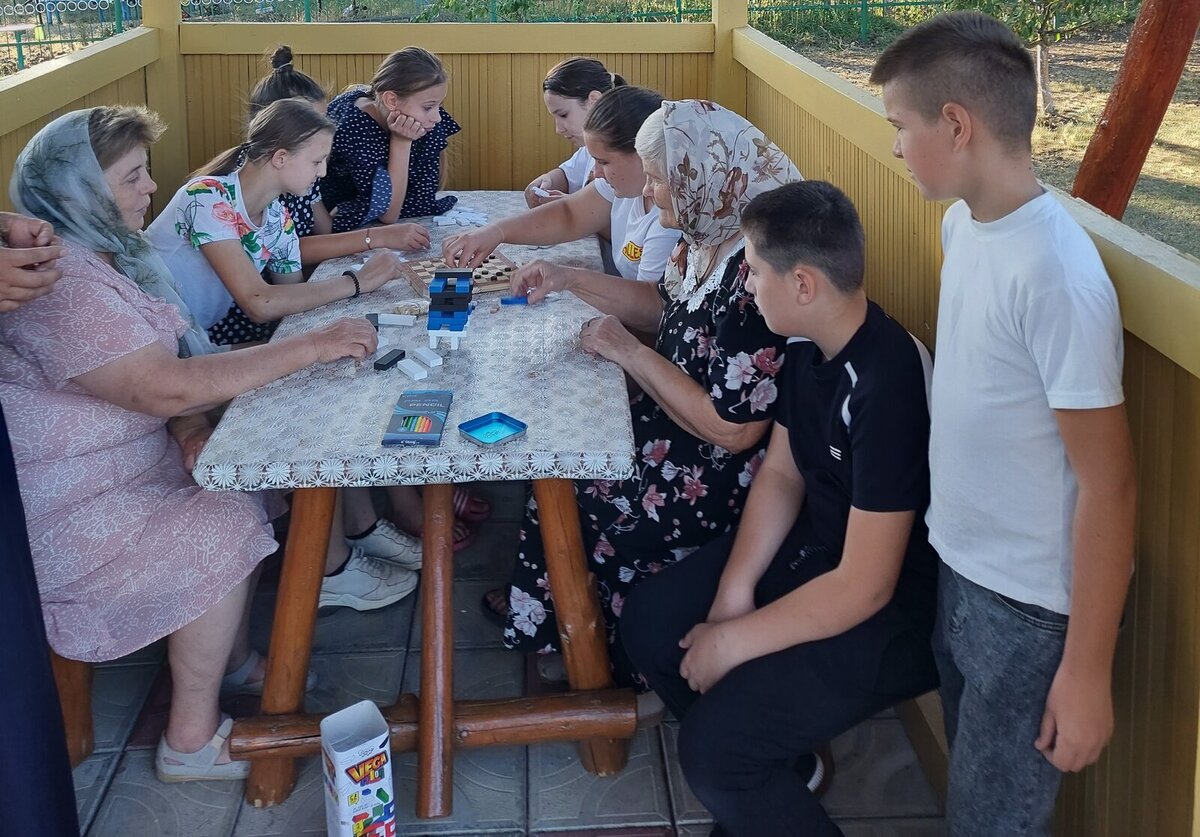
One of the key steps we took was piloting two new services within five home care medico-social centres managed by AO Homecare in different regions of the country: Intergenerational Clubs and Occupational Therapy. These services complemented traditional home care and brought tangible benefits to the physical and mental well-being of all participants.
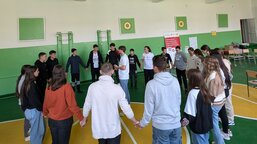
Through intergenerational clubs, we created spaces where older people could interact with young people, volunteers, and other members of the community. They became more active, open, and socially engaged, significantly reducing feelings of loneliness. In many cases, these meetings turned into the most anticipated moments of the week, providing motivation and positive energy.
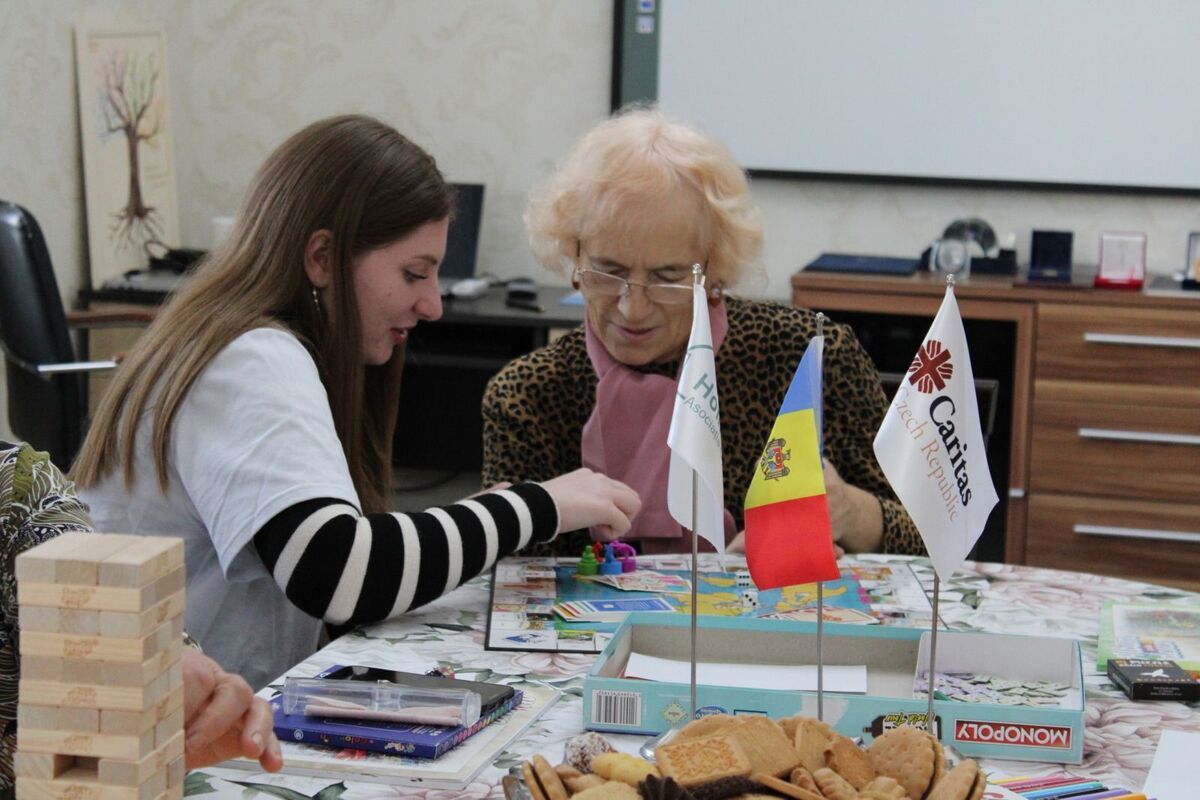
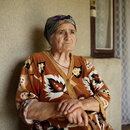
“I have cataracts, which make it difficult for me to see. My memory is not what it used to be, either. It’s not only about physical health—loneliness is just as hard for a person,” says Zinovia. She lives alone and has no close relatives to care for her. Her daughters have moved to France and Italy, and her husband passed away several years ago. Valentina, a nurse from a nearby home care centre, helps her cope with loneliness and everyday challenges.
Investing in people and the future of social services in Moldova
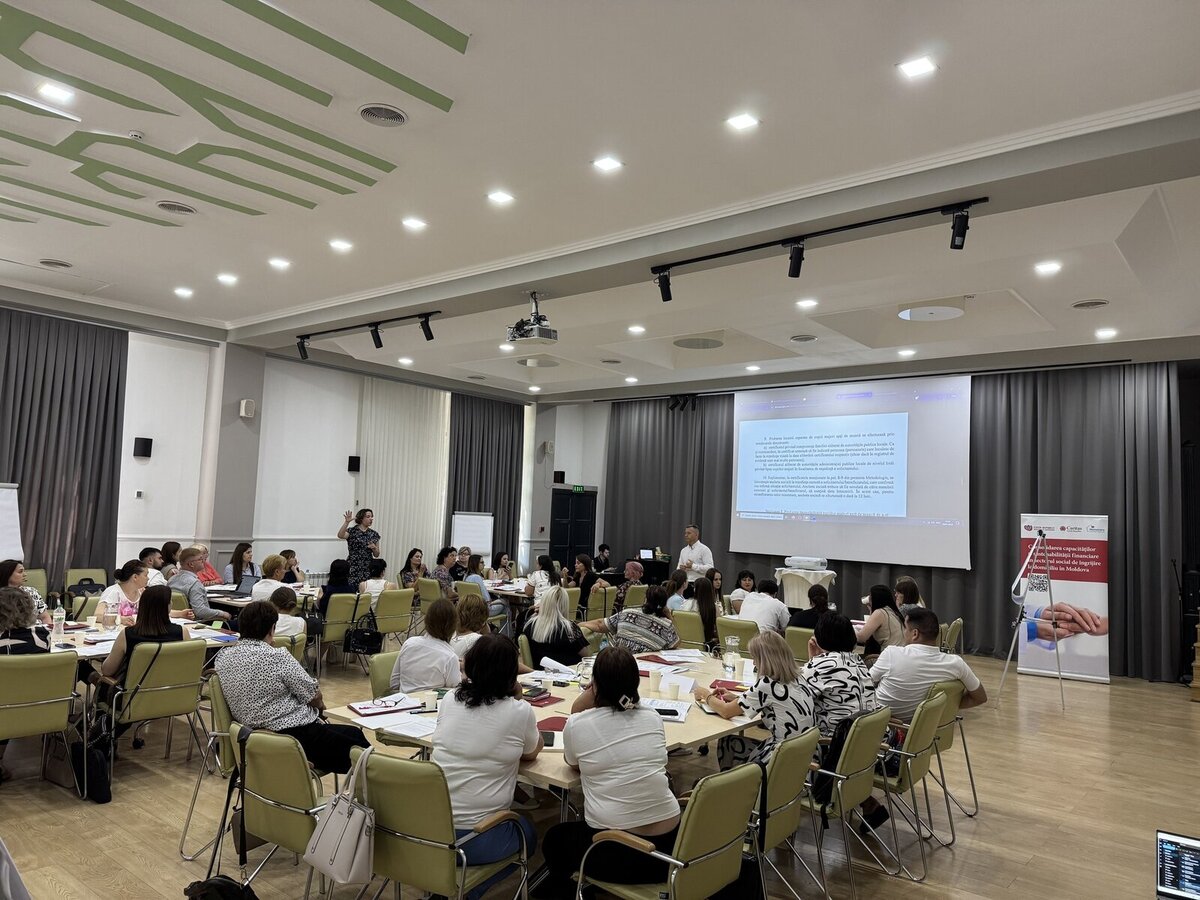
Alongside direct work with the persons in need, we consistently invested in building the capacities of social sector professionals. We organised trainings and capacity-building sessions for specialists, service managers, and representatives of public authorities, focusing on planning, management, and financial sustainability.
Through this process, we supported public institutions in strengthening their role in developing home care services and in preparing more effective policies and mechanisms for the future. Close cooperation between public authorities, non-governmental organisations, and service providers proved essential to ensuring that these changes are not only temporary, but sustainable.
How Caritas Czech Republic supports older people living alone in Moldova
In Moldova, Caritas Czech Republic also focuses on supporting people with disabilities. In 2023, we opened two protected housing units in Glodeni and Soroca. These homes now provide accommodation for people living with mental health conditions, who receive support for community integration, communication skills development, and access to employment opportunities. In addition, we trained six recovered persons with lived experience of mental health challenges to become peer supporters and supported their employment within community mental health services.
Since 2014, Caritas Czech Republic has established 10 medico-social centres across the country and has improved the skills and knowledge of more than 5,000 doctors, nurses, and social workers in the field of care services.
Through our work, we have contributed to strengthening a more resilient social system that places people at the centre of interventions and builds on the potential of local communities. These achievements would not have been possible without our partnership with AO Homecare and the financial support of the Czech Development Agency, to whom we express our sincere gratitude for their trust and collaboration.
We will continue our efforts to support the development of high-quality social services in Moldova, firmly believing that home care is an investment in dignity, solidarity, and the future.