
Country Office in numbers
- Active in Moldova since 2004
- Local team and direct implementation since 2017
- More than 15 colleagues and experts supporting us from Prague
- 34 projects implemented all over the country
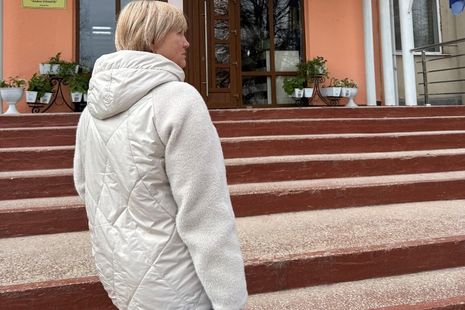
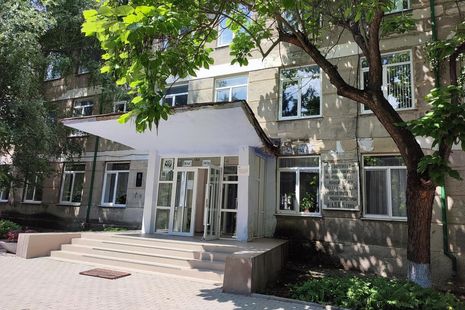
In Moldova, many schools continue to face significant sanitation challenges due to outdated sanitary infrastructure. An insufficient number of sanitary facilities for the growing number of students, ageing sewerage networks, and the lack of accessible toilets for persons with disabilities affect the quality of the learning environment and the well-being of children. Access to safe, functional and inclusive sanitation facilities is essential for students' health, dignity and full participation in education. To help address these challenges, Caritas Czech Republic in Moldova, with the support of the European Union, is implementing a project to rehabilitate sanitary facilities in four educational institutions across the country in 2026. Construction works began in July and are expected to be completed by September, providing improved learning conditions for nearly 1,400 students and school staff.
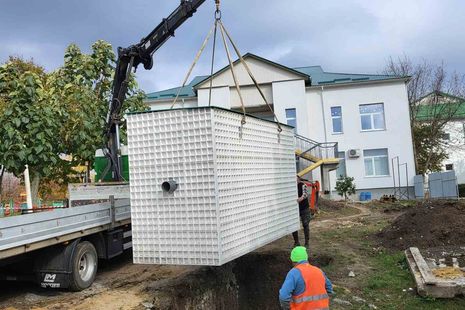
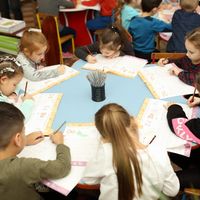
A kindergarten in a small Moldovan village is not the place most people would expect to find an innovation in climate resilience. Yet in Bilicenii Vechi, Singerei district, a quiet revolution is now taking place under the playground of Kindergarten “Albinuța”: Moldova’s first rainwater harvesting system for a public institution.
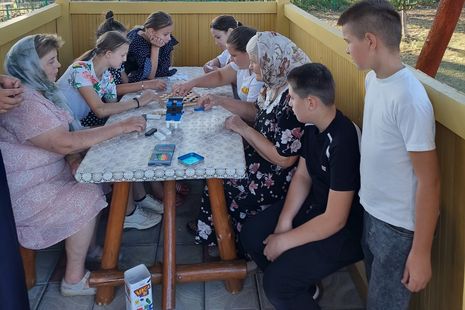
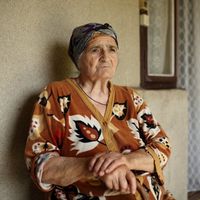
Over the past three years, we have focused our efforts on strengthening home care services in the Republic of Moldova, with the main goal of improving the quality of life of older people and individuals in vulnerable situations. Home care is not only about practical assistance, but also about emotional support, dignity, safety, and a sense of belonging to the community. To support people who live alone and face various needs and health conditions in developing their abilities and improving their quality of life, Caritas Czech Republic, together with AO Homecare, developed occupational therapy services within five medico-social centres across Moldova.
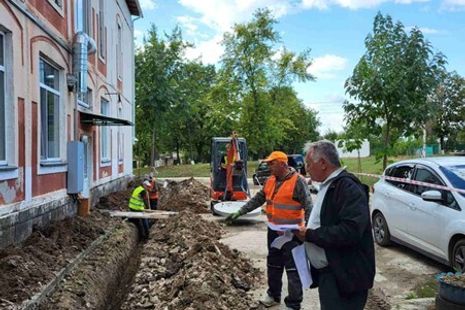
At the beginning of September, Caritas Czech Republic in Moldova, in partnership with the Bilicenii Vechi City Hall, initiated the installation of a rainwater collection and utilisation system at the “Albinuța” kindergarten. The system, which involves capturing, filtering, and storing rainwater, will serve household needs, reducing the consumption of water from conventional sources and helping to cut institutional costs. This step is especially important in the context of many rural kindergartens facing a lack of running water, where alternative solutions are essential to ensure proper hygiene conditions for children. Moreover, the initiative provides a concrete example of how natural resources can be used efficiently and responsibly, with plans to replicate it in other institutions across Moldova.