We did not realize how happy we were
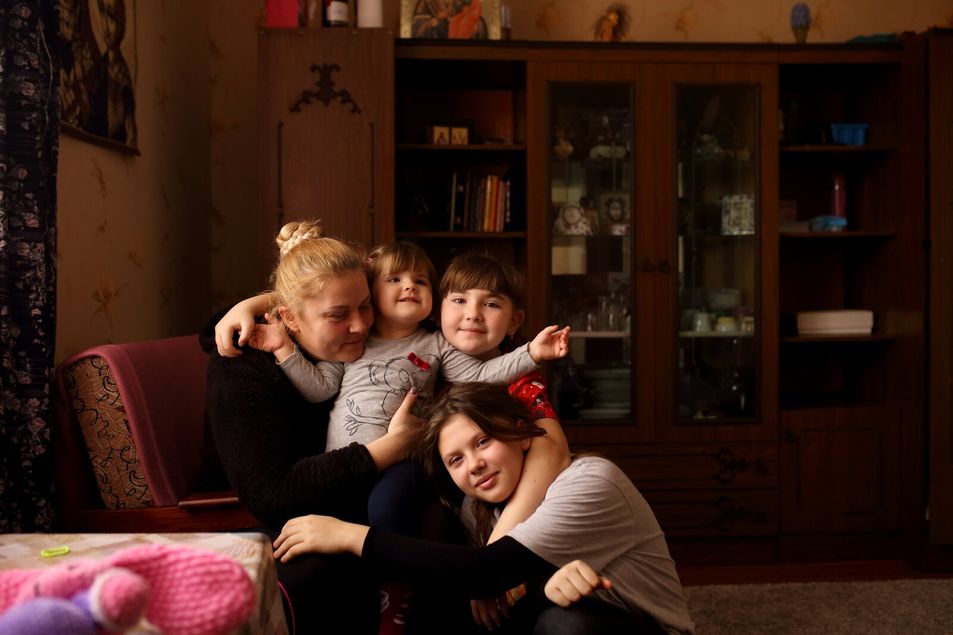
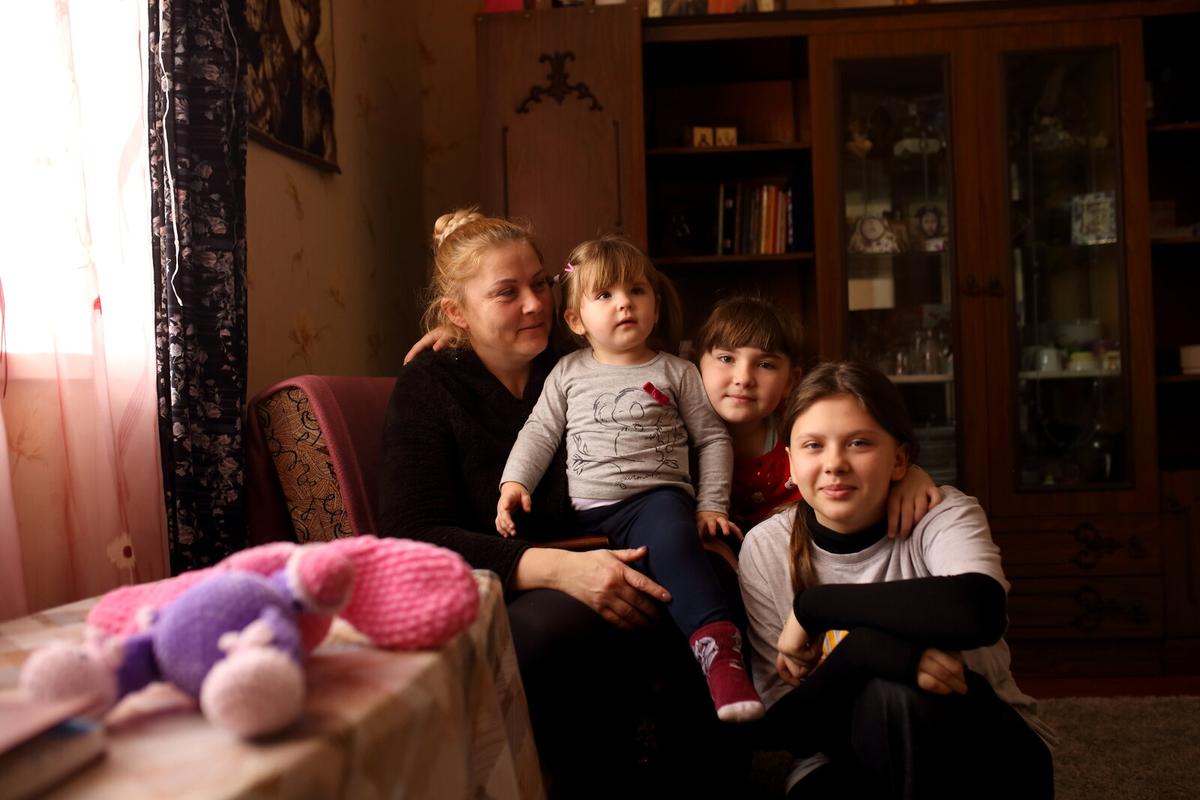
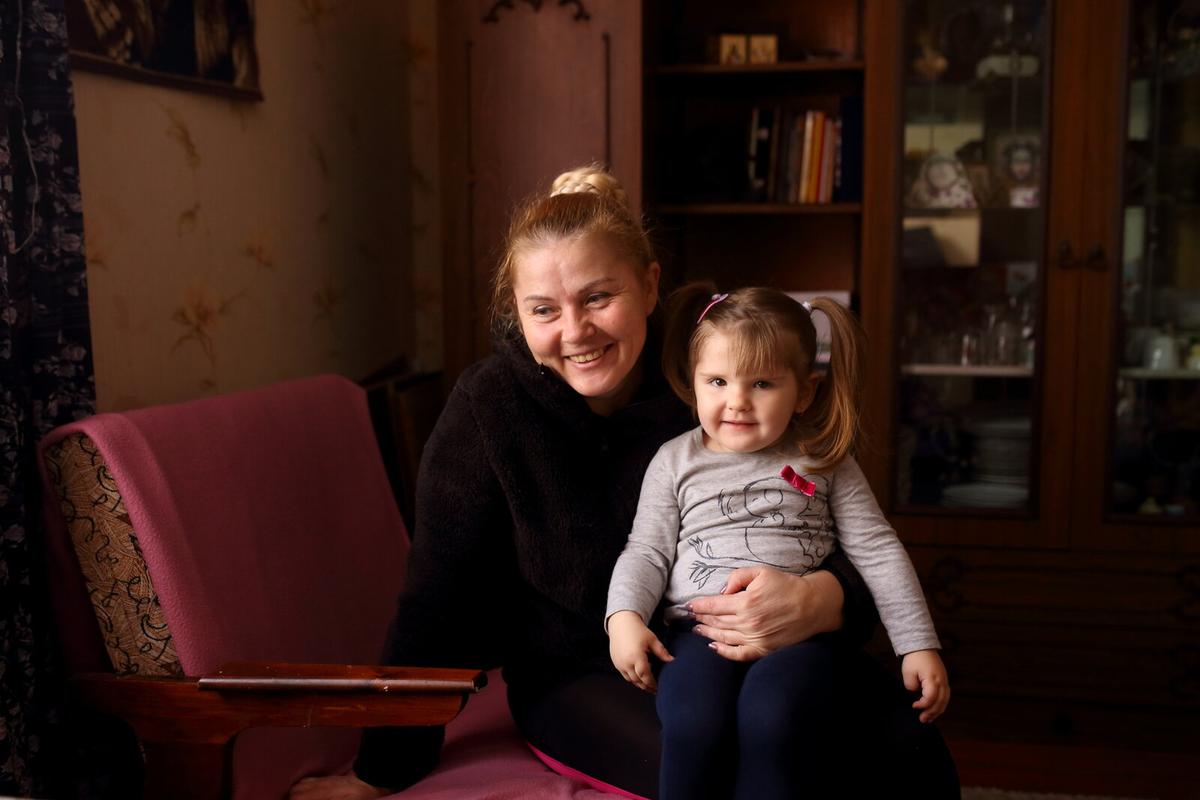
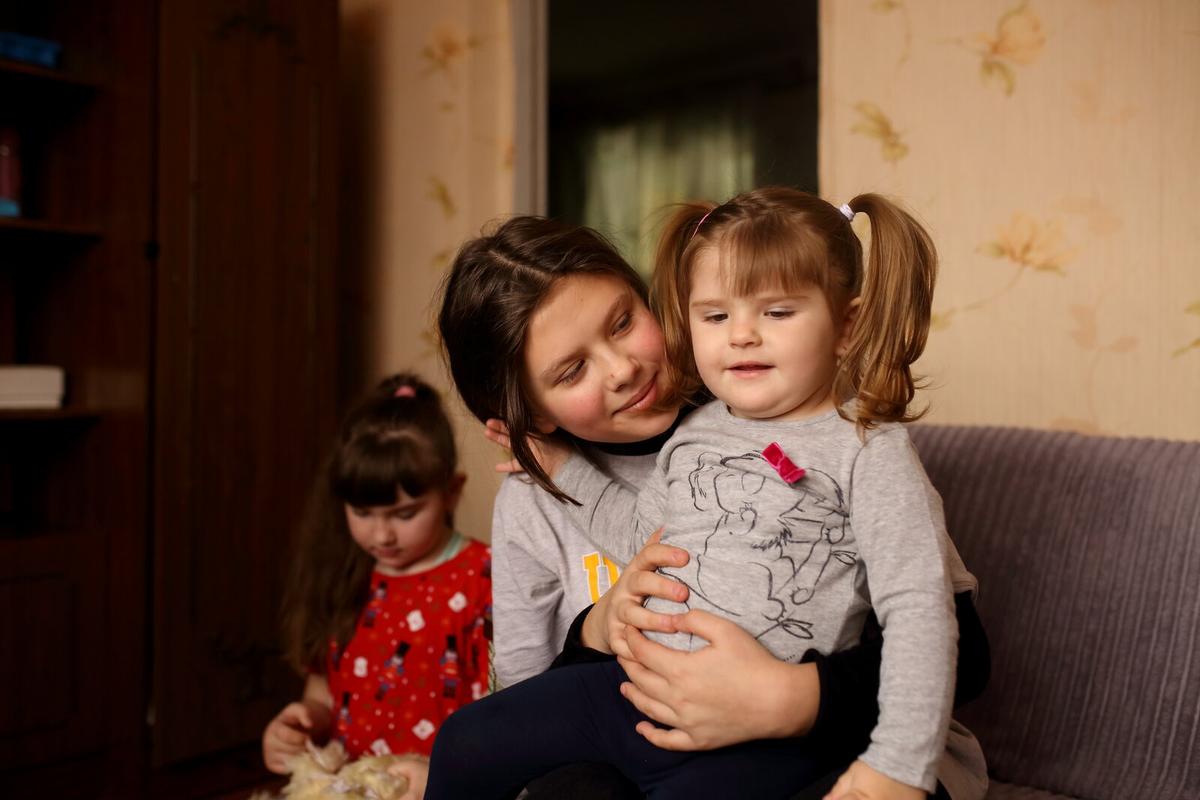
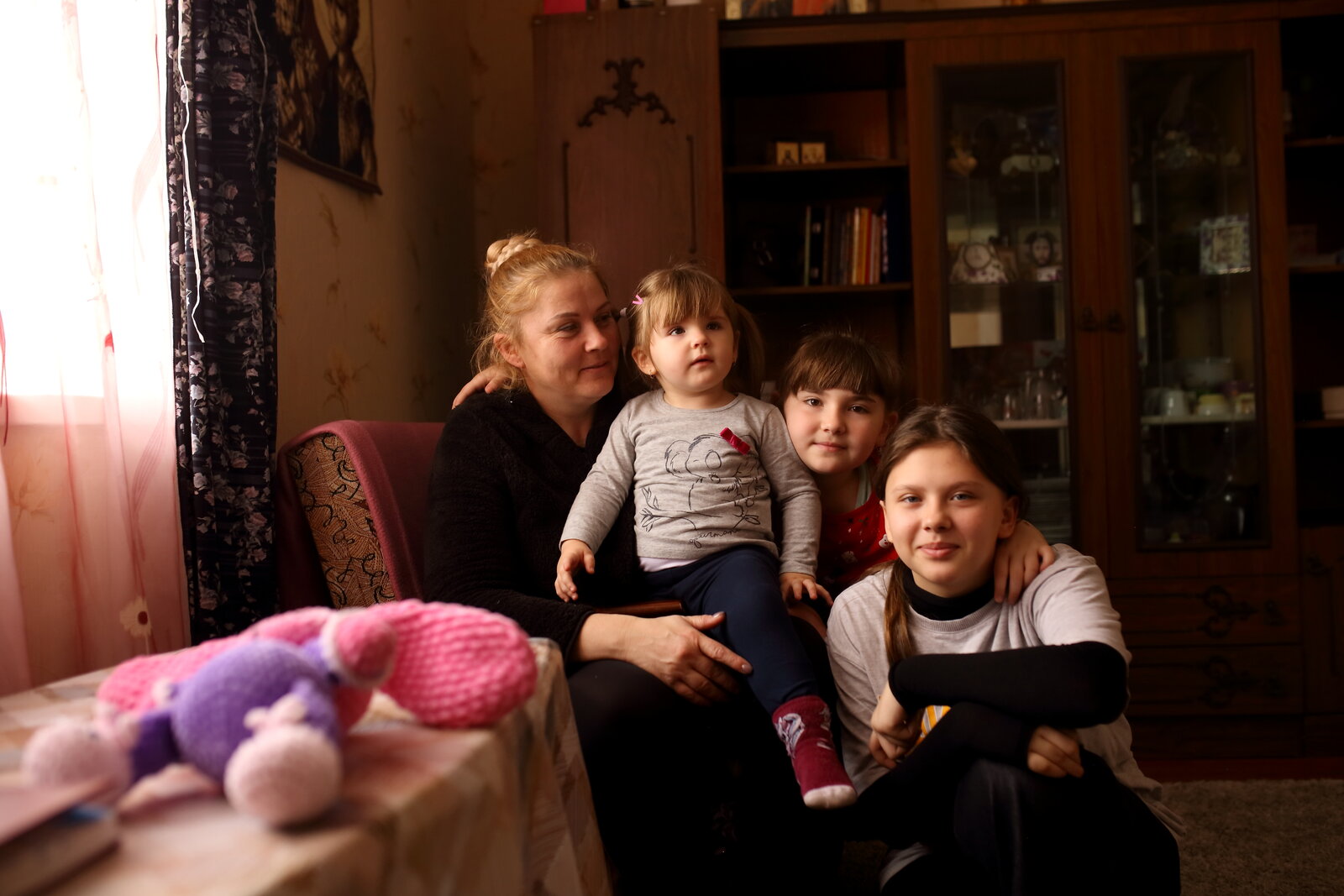
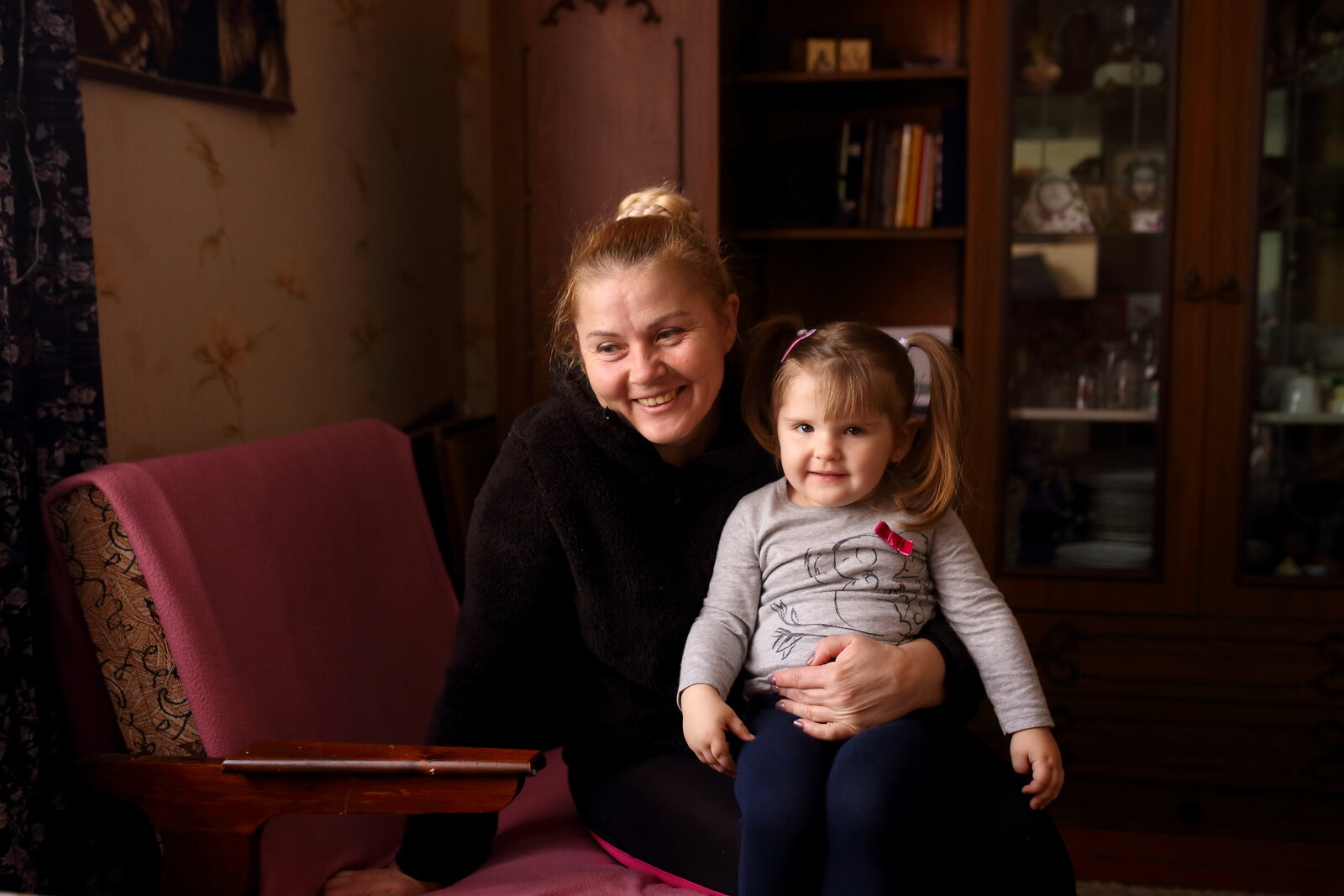
Before the war, Svita was working on the railways in Ukraine. She had a house in the countryside and together with her husband and three girls - Sofia (12 years), Anna (9 years) and Varvara (2 years) – enjoyed a quiet life.
Work, kindergarten, school, family vacations - this was the routine for the Andrusyk family, until one ordinary day everything crashed down."We did not even realise how happy we were. We had everything we could dream of - family, jobs, friends, happy kids. Today, I just hope I will have enough strength to give my children a decent future,” says Svita.
The day I aged 10 years
For Svita, the war began with a call from her friend around 3 A.M. on the 24th of February 2022. She told her through tears that Kyiv was being bombed.
"I was on my feet, but unconscious. I did not know whether to believe what I heard, but it did not sound like a joke. That day I aged 10 years,” Svita recalls.
Her state of shock was shattered by the first explosions that fell on the village. The first buildings hit were a school, a kindergarten and a few houses. Svita wanted to wake her children, but they were already awake, frightened by the sound of the explosions.
"It smelled like war outside - fire, smoke, cries of pain, the sounds of sirens along with the bangs of explosions,” Svita says.
They evacuated to the basement, but not for long. The village was close to a military unit and was under constant shelling. Svita’s family decided to take shelter on the outskirts of the village, on the opposite side of the military unit, in the basement of an abandoned house.
There they stayed with 30 other people for a month, waiting for the moment they could be evacuated.
Evacuation from the war-torn country
"We passed through half of Ukraine and saw a country devastated by war. I couldn't see smiles on people's faces,” Svita recalls.
From Odesa, once a city full of tourists and now full of refugees, the Andrusyk family set off for Palanca border crossing. From there, they arrived in Tiraspol. But the difficult financial situation and lack of aid on the left bank of the Dniester led them to move to the right bank of the river.
Svita now lives in the village of Beșghioz (Gagauzia). The older girls go to school. The youngest stays at home with her. They live in a country house with no modern heating system. They use a wood heating stove there. "Every day is a challenge for us. Food, firewood, bills – a lot of needs. The support we receive from Caritas Czech Republic – cash assistance, food vouchers, hygiene products, linen - are a great help. We are grateful for what we get. The single thing we miss is peace,” says Svita.
A year after the start of the Russian invasion, Svita says she regrets that she still has not been able to fully explain to her children what war is and why it has entered their lives. She believes that the situation they are going through will be their best but toughest teacher.
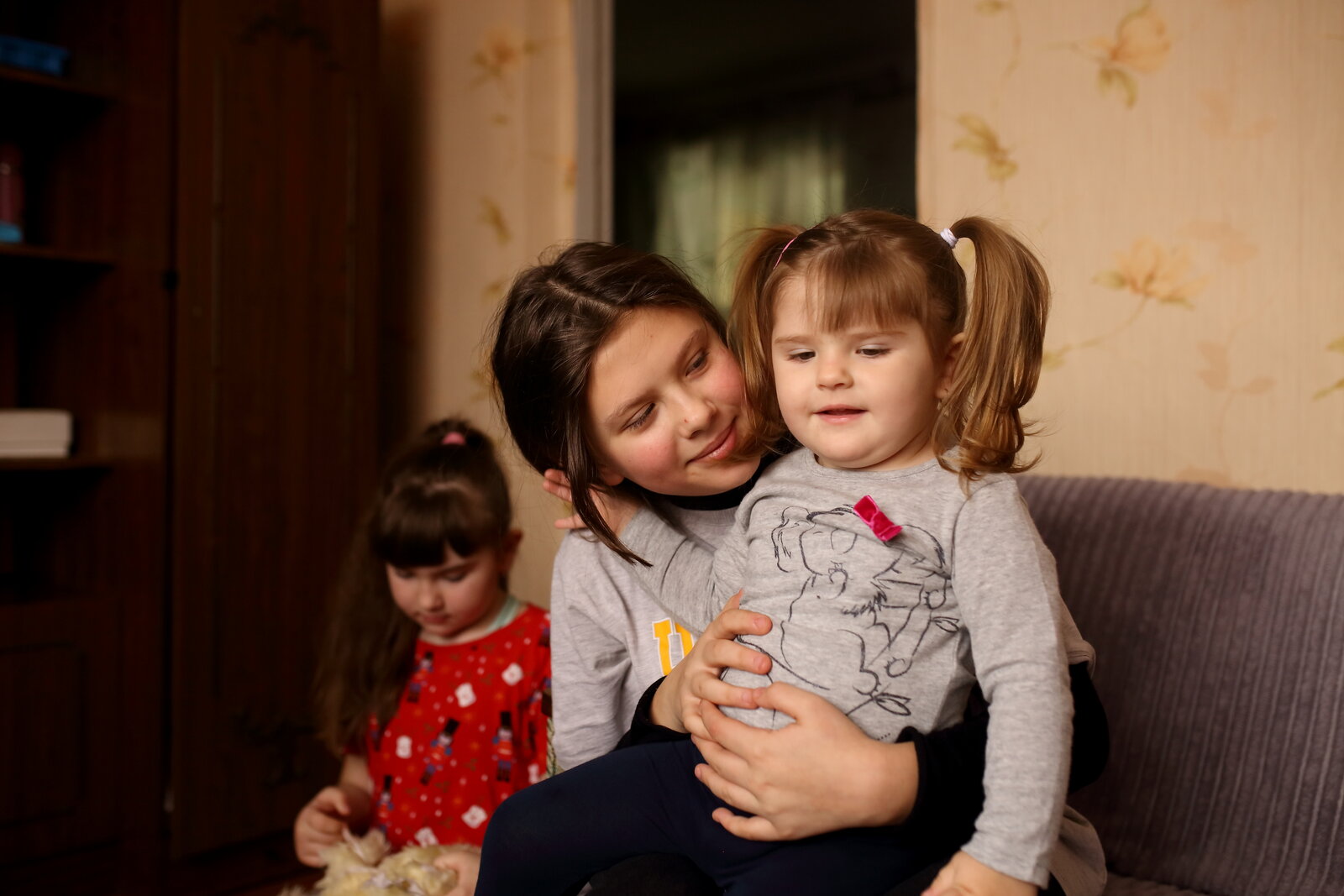
"Two-year-old Varvara understood that war is bad when we had to leave her scooter at the station. But the time will come when the guns will be silenced and only the joyful cries of children on scooters will be heard all around," Svita tells us with hope in her voice.
Since the beginning of the war, Caritas Czech Republic has supported about 15,000 Ukrainian refugees, provided cash support to more than 2,000 refugees, offered more than 3,400 psychological consultations, distributed about 4,000 bags of essential hygiene products and supported around 2,000 refugee with winterization aid.