• Úvod
  • Home
  • News
  • Occupational therapy in Moldova: a new care service helping people regain their independence

Occupational therapy in Moldova: a new care service helping people regain their independence

October 17, 2023 – Occupational therapy is an innovative form of therapy that helps people regain or maintain their independence and ability to carry out everyday activities. To help people with various needs and conditions to develop their skills and improve their quality of life, Caritas Czech Republic, together with Homecare Association, will develop occupational therapy services in 5 medical-social centres in Moldova.

Occupational therapy in Moldova: a new care service helping people regain their independence

What is occupational therapy?

Occupational therapy is a branch of health and social care that assists people with physical or cognitive impairments. Occupational therapy helps these people to develop or regain the skills needed to carry out daily activities at the minimum necessary and satisfactory level, so that they can be as independent as possible and need as little assistance from others as possible.

Occupational therapy is suitable for older people, people with arthritis, chronic pain or injury, disabilities or diseases such as Alzheimer’s disease, cancer, diabetes, multiple sclerosis, cerebral palsy, etc.

Although occupational therapy is still at an early stage of development in Moldova, this profession is recognised in the Republic of Moldova and there are discussions at parliamentary level about introducing a course in occupational therapy in universities.

How does occupational therapy work?

Occupational therapy works in three key directions.  Firstly, occupational therapy trains people in everyday life skills. Occupational therapists provide training and guidance to patients to help them improve their skills in dressing, personal hygiene, food preparation and consumption, and so on. For example, they may work with people who have difficulty fastening buttons or using zippers so that they can dress and undress more easily and without extra help.
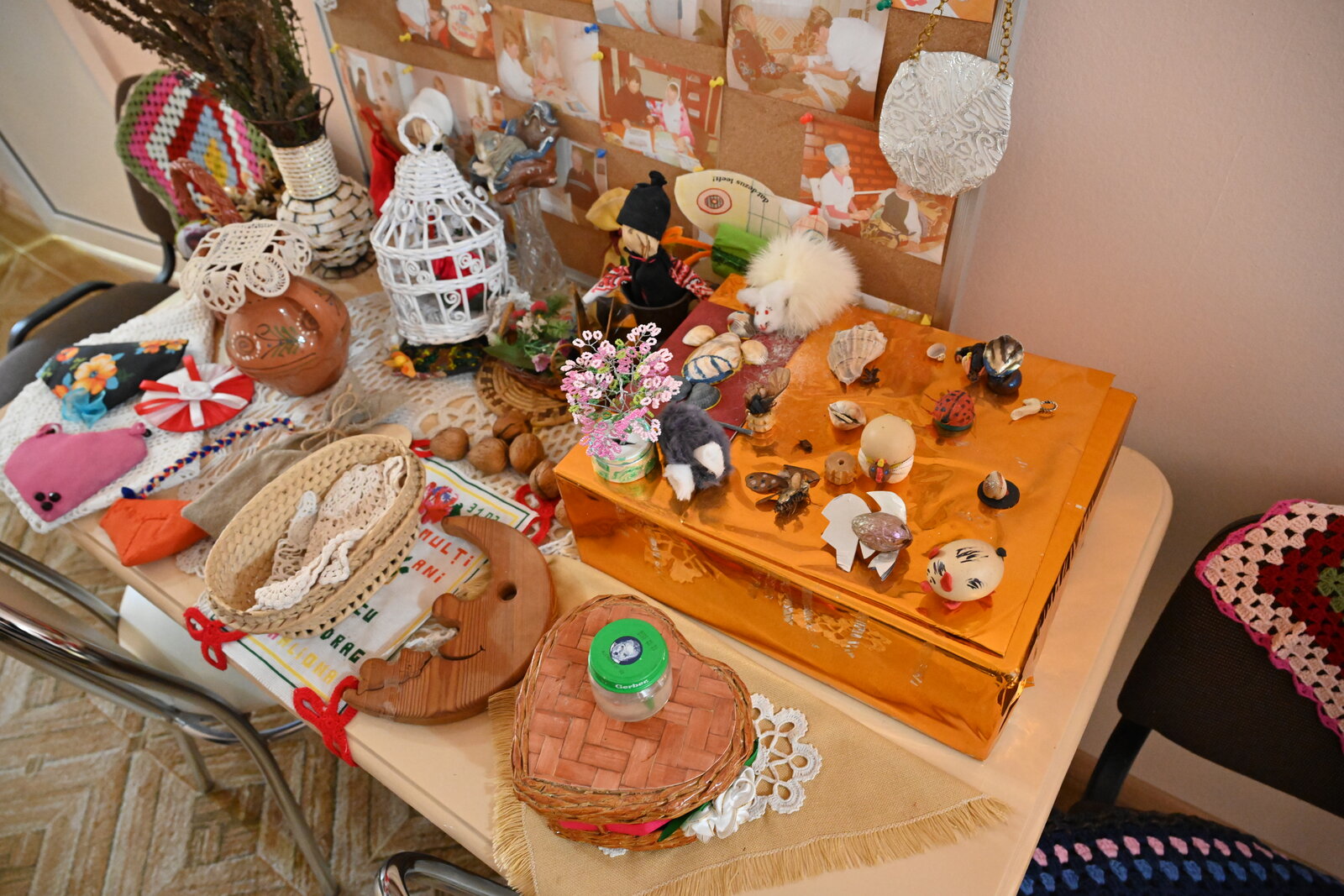
Another important part of occupational therapy is teaching the education of skills through various games and leisure activities.

Secondly, occupational therapy develops work skills and abilities and helps people with various needs to learn to write, read and manage their time. Occupational therapists can train people with different needs and conditions on how to adapt their workplace to their disability or how to use different technical devices to work effectively.

Another important part of occupational therapy is teaching the education of skills through various games and leisure activities. This involves developing social and cognitive skills through group games or logic games and hobbies such as cooking or sculpting. Through these activities, occupational therapists help people develop the skills they need to enjoy life independently.

Through occupational therapy, Caritas Czech Republic offers a chance for independent living

Occupational therapy offers a diverse range of benefits and helps people improve their quality of life. It promotes recovery and independence for people with various needs and facilitates their reintegration into society.

Caritas Czech Republic, together with Homecare Association, will integrate occupational therapy services in five medico-social centres in Moldova providing independence and social reintegration for care recipients in the country.

From 2014 to date, Caritas Czech Republic has opened 10 medical-social centres in the country and improved the skills and knowledge of more than 5,000 doctors, nurses and social workers in the field of care services.
Související články

Caritas Czech Republic brings more support and sustainability to home care services in Moldova
News – CCR-Moldova

Caritas Czech Republic brings more support and sustainability to home care services in Moldova

–

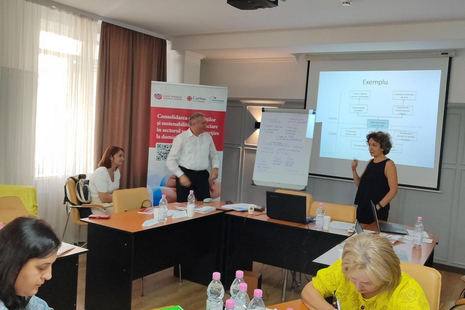
Caritas Czech Republic has taken another step towards improving social services by launching a new initiative aimed at improving the home care landscape in Moldova. The new project, launched in partnership with Homecare Association, aspires to improve the quality and sustainability of social services and home care for vulnerable people.

A former pharmacy in Grigoriopol, Moldova, became a warm and welcoming medical-social centre     A former pharmacy in Grigoriopol, Moldova, became a warm and welcoming medical-social centre    
News – CCR-Moldova

A former pharmacy in Grigoriopol, Moldova, became a warm and welcoming medical-social centre

–

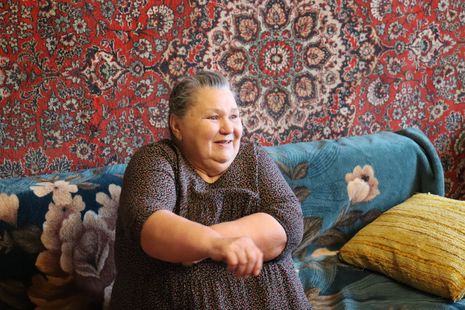
According to the latest statistics, since 1991, 1.5 million of Moldova's population of about 4 million have emigrated. Moldova still continue to lose 45,000 citizens per year, most of them being economically active young people who is seeking stability and opportunities to build their future. As a result, people dependent of others care, most of them affected by poverty, are left alone, with no access to health and social care.

The use of telemedicine in health and social care: myths, benefits, barriers
News – CCR-Moldova

The use of telemedicine in health and social care: myths, benefits, barriers

–

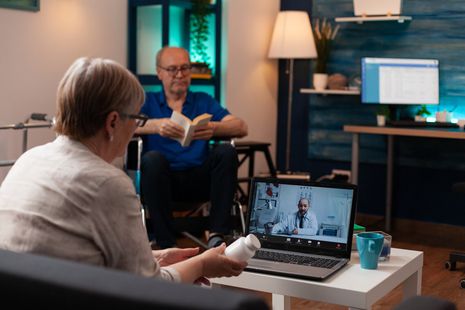
Moldova is facing a rapidly ageing population. In 2020, the number of people over 60 years represented 21.8% of the country's total population, and the share of this age group is constantly increasing. 

In response to this phenomenon, the public authorities and NGOs have developed several health and social care services to ensure that older people can live decently and independently in their own homes. But progress in these efforts has been hampered by the COVID-19 pandemic which has affected the effective and continuous provision of these services.