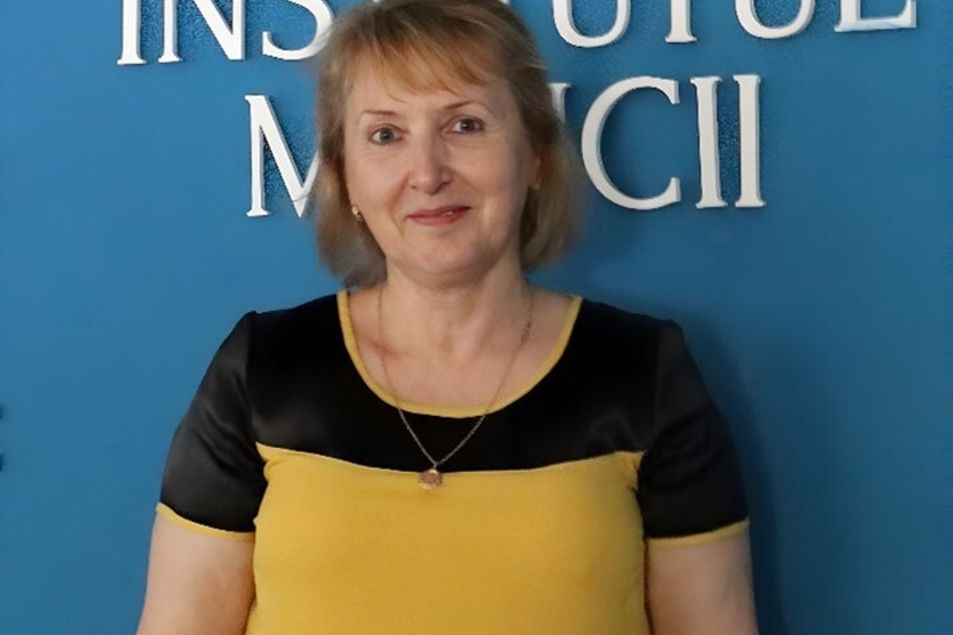
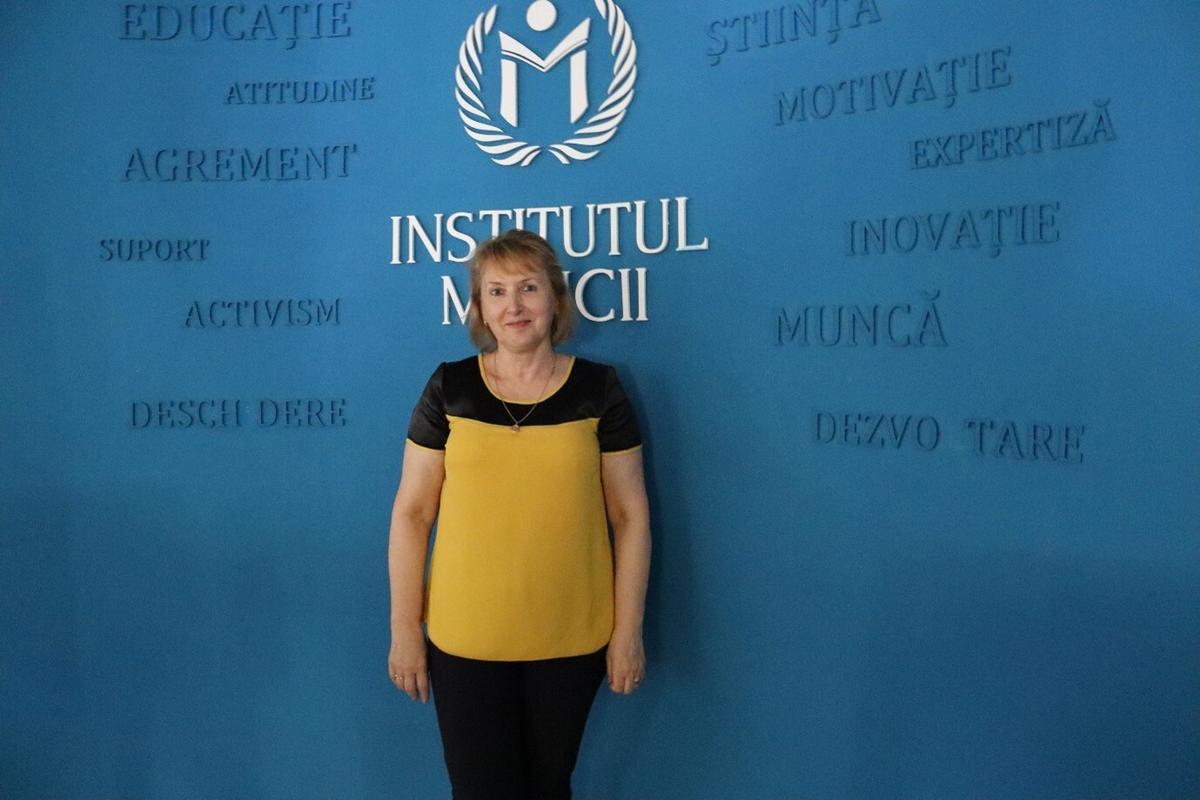
As you take a break from the training session for employees of social centres, organised by Caritas Czech Republic and HOMECARE Association, could you tell us a bit about yourself and what inspired you to pursue this profession?
I will be honest with you, I am a teacher by profession, but with a teacher's salary in Moldova you cannot manage to cover all your living expenses. For this reason, I chose to look for other ways to find a stable income. In 2010, I found out what social welfare service means, when I got a job at the social welfare and family protection centre as a social worker. I worked for a year, and I learned more about this sector and how people get to benefit from social welfare.
You started working as a social worker, how did you end up being the director of a centre like Rebeca?
In 2013, when the Rebeca health and social care centre opened in Balti, I was hired as a social worker. Later, I was offered the position of project coordinator for the north of Moldova, likely because they noticed that I am responsible, punctual and fulfil my duties. At the centre, I discovered another side of this field, I took part in many activities with volunteers and attended many trainings.
Given your journey from social worker to project coordinator and now director, you have gained a deep understanding of the field. In your experience, what do you think is the most important quality a social worker should have or develop?
In this sector, I have learned that not everyone has the patience to truly listen, to be responsible to offer a helping hand in times of need, or the compassion to wipe away someone’s tears. I have to say humanity is the main quality that a social worker must possess, it is crucial when working with people.
I would also like to highlight that AO Homecare organises many internal training sessions for its employees, which allows us to develop our skills and learn new ways of managing our work.
Can you share with us which topics covered during the training sessions have been most impactful and useful in your daily work?
At these trainings, I learned about effective communication. Each patient visit can present various challenges, some more difficult and some easier, and as social or medical workers we need to know how to handle all kinds of situations. With effective communication, this becomes easier.
"We try to offer enough time for each visit, to listen to people and to be there not only for physical care but also emotional support."
It sounds like these trainings are very beneficial for you. Are you able to apply the theory effectively in practice?
The trainings are incredibly valuable for us. My colleagues and I often say, “If you think you know everything, you know nothing” - we are always learning and growing. Even in the recent training we learned many new things about patients' rights, things we thought we knew, but there is always room for more knowledge. These trainings keep us up to date with everything new in the welfare system. The exchange of views and experiences broadens our views and makes our work easier afterwards.
What are the difficulties you encounter in your work?
I would not say there are big difficulties because we try to solve every problem when it arises. If we need to repair an appliance that we use every day or if we need some medicines, dressings, we discuss and solve everything on the spot.
What would you like to improve in the social care sector?
What we could improve at the moment is hiring more staff. At the moment there are only 2 nurses in Balti, a big city, and there are many villages next to each other that are hard to reach. Just 2 nurses cannot cover the workload. There are many patients who are waiting for social care, but we do not have enough medical assistants to help and enroll them at the center.
You mentioned you are working with volunteers in the centre. How do the volunteers help?
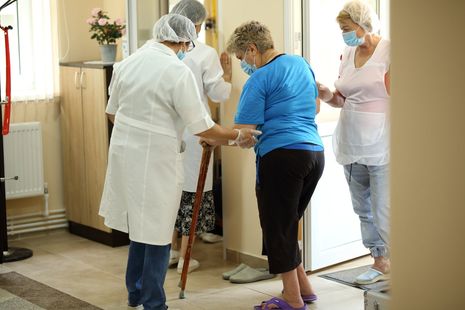
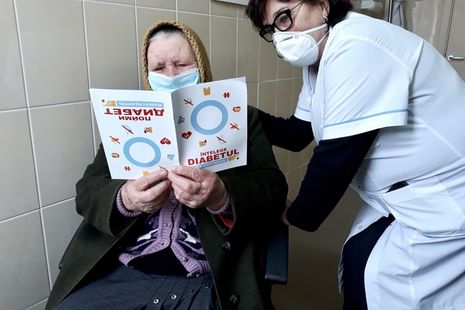
They help us a lot, we have volunteers from the medical college, they intern at the centre. There is a patient who is bed-ridden and needs to be lifted up to do physical movements, in that case we choose to have 2 workers, a nurse and a volunteer to visit him.
How do people express their gratitude for the help they receive? Perhaps you have a specific example you could mention.
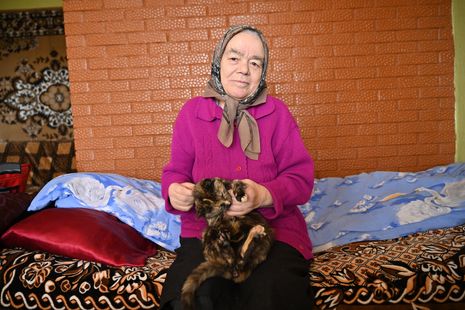
There are people who have written to our local paper with words of thanks. They also go to the town hall and bring letters describing how happy they are when they are visited by nurses or volunteers, these letters are read at the town hall meetings in front of many people. This has been a great pleasure for us. Sometimes there are still people who try to give us a box of chocolates, but I definitely do not want to receive them, knowing how small their pension is, I cannot take anything from them. They are more willing to have tea with them than to give me anything. We also have thank you notebooks, where they leave notes, any way of saying thank you is welcome.
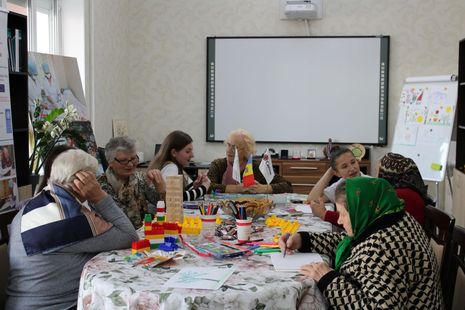
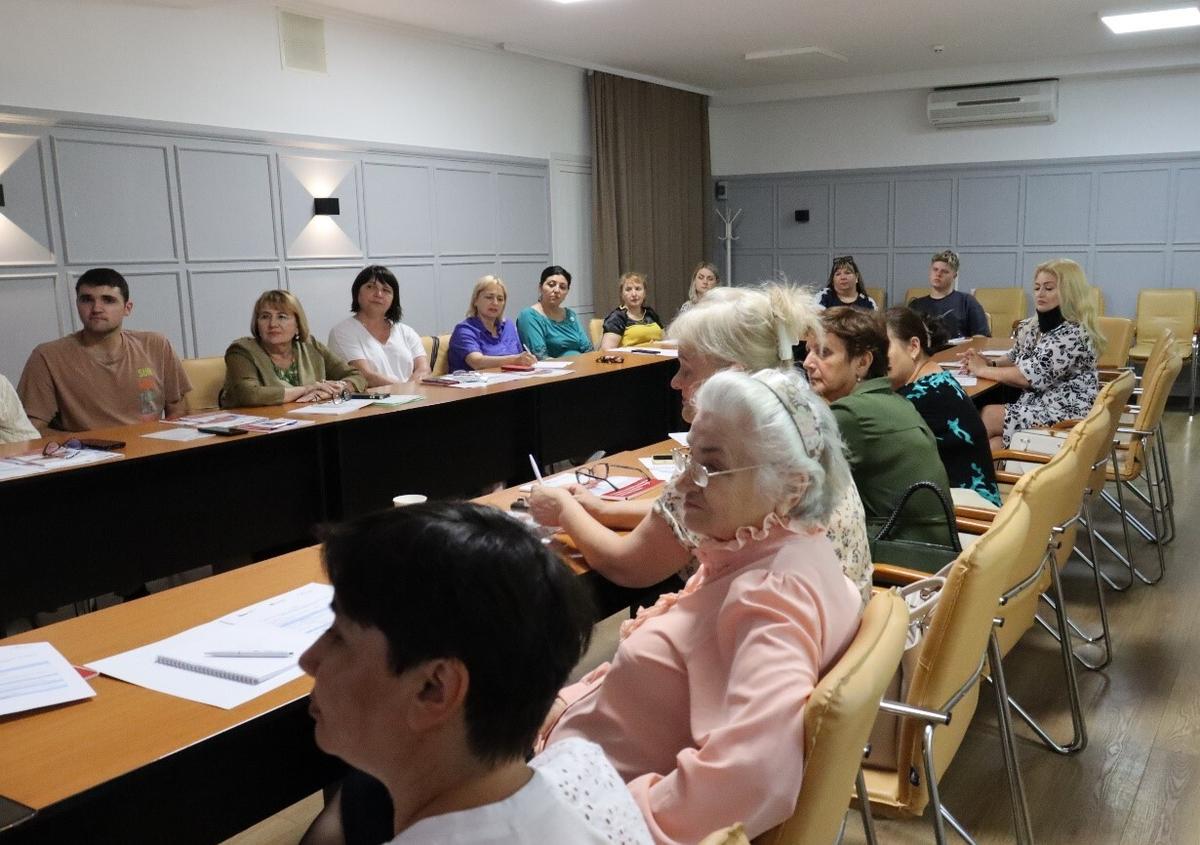
As part of this initiative, Caritas Czech Republic organised a two-day training session in Moldova. This session brought together over 55 representatives from 10 territorial social welfare agencies from all over the country. The training focused on critical areas such as the provision of fee-for-service, costing methodologies and strategies for attracting external funding. Together with the support of the Czech Development Agency, we contribute to improving the standards of the services we provide and the care given to the people we help.