• Úvod
  • Home
  • News
  • Caritas Czech Republic improves access to drinking water in 15 rural schools in Moldova

Caritas Czech Republic improves access to drinking water in 15 rural schools in Moldova

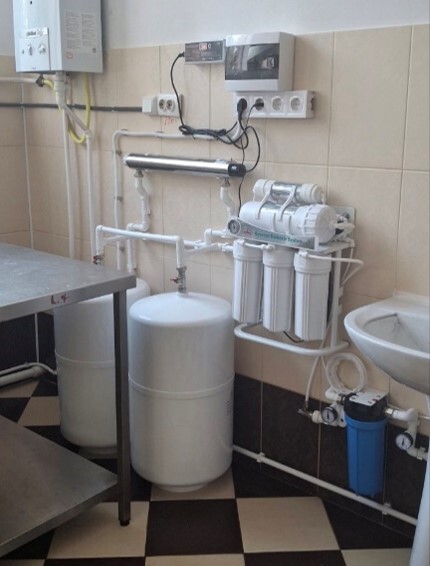
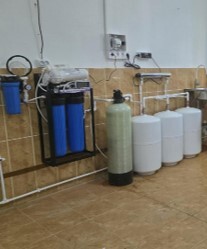
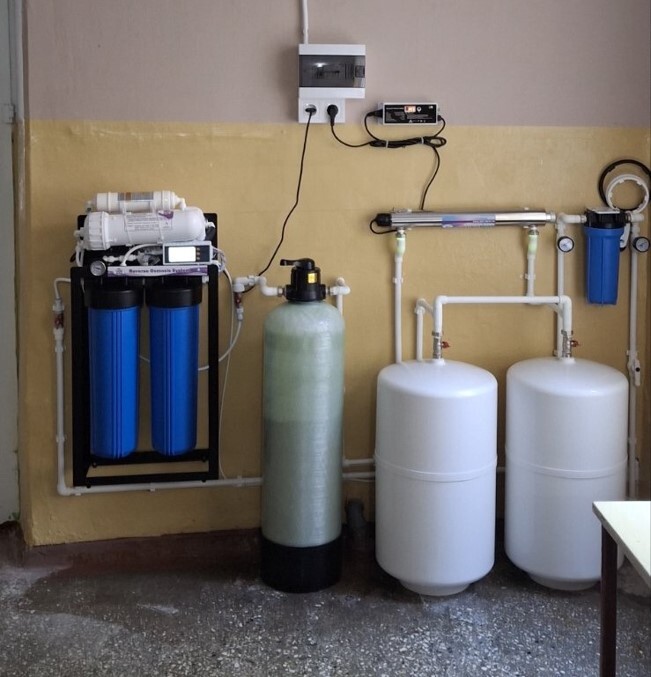
October 16, 2026 – A national WASH assessment conducted by UNICEF and the Ministry of Education and Research in 2023–2024 found that 167 out of 968 educational institutions reported unsafe drinking water. To address this challenge, between 2024 and 2026, Caritas Czech Republic in Moldova installed 15 water filtration systems in rural schools, with the financial support of the European Union, improving access to filtered drinking water for 4,038 students and over 300 teachers and support staff.

Access to safe water in rural areas of Moldova

Water within reach: making everyday school life easier

For children, having access to drinking water at school should be a simple, everyday reality. Yet, in many rural communities in the Republic of Moldova, water quality remains a challenge, affecting students’ well-being and their daily school experience. Having a filtration system at school in Brînza  village has made drinking water more accessible and convenient for the entire school community.

“Before the filtration system was installed, children used to bring water from home or ask for it at the school canteen. Now they can get water directly from the tap. We greatly appreciate this support,”

says Tatiana, school principal in Brînza village.

Safe drinking water in Moldova

Safe drinking water in Moldova


Safe drinking water in Moldova

Photo: Hîjdieni Gymnasium in Glodeni District

Safe drinking water, improved conditions for students and teachers in Moldova

In communities where the quality of water supplied through the local network raises concerns, filtration systems offer schools a practical way to improve the water available for consumption.

“Thanks to this system, students now have access to clean water. Thank you, and we hope to welcome you again with other projects at our school,”

says Natalia, school principal in Dănceni village.

In Bucovăț, the new system has also made a difference to the school’s daily routine.

“The water from the network in our community has an unpleasant smell and is not suitable for drinking. The installed system allows us to obtain water that meets national standards. We now drink potable water directly at the school,”

explains Serghei, school principal in Bucovăț village.

The support has helped schools respond to their specific needs and make filtered water more readily available to students and staff.

Safe drinking water in Moldova

Access to safe water in rural areas of Moldova

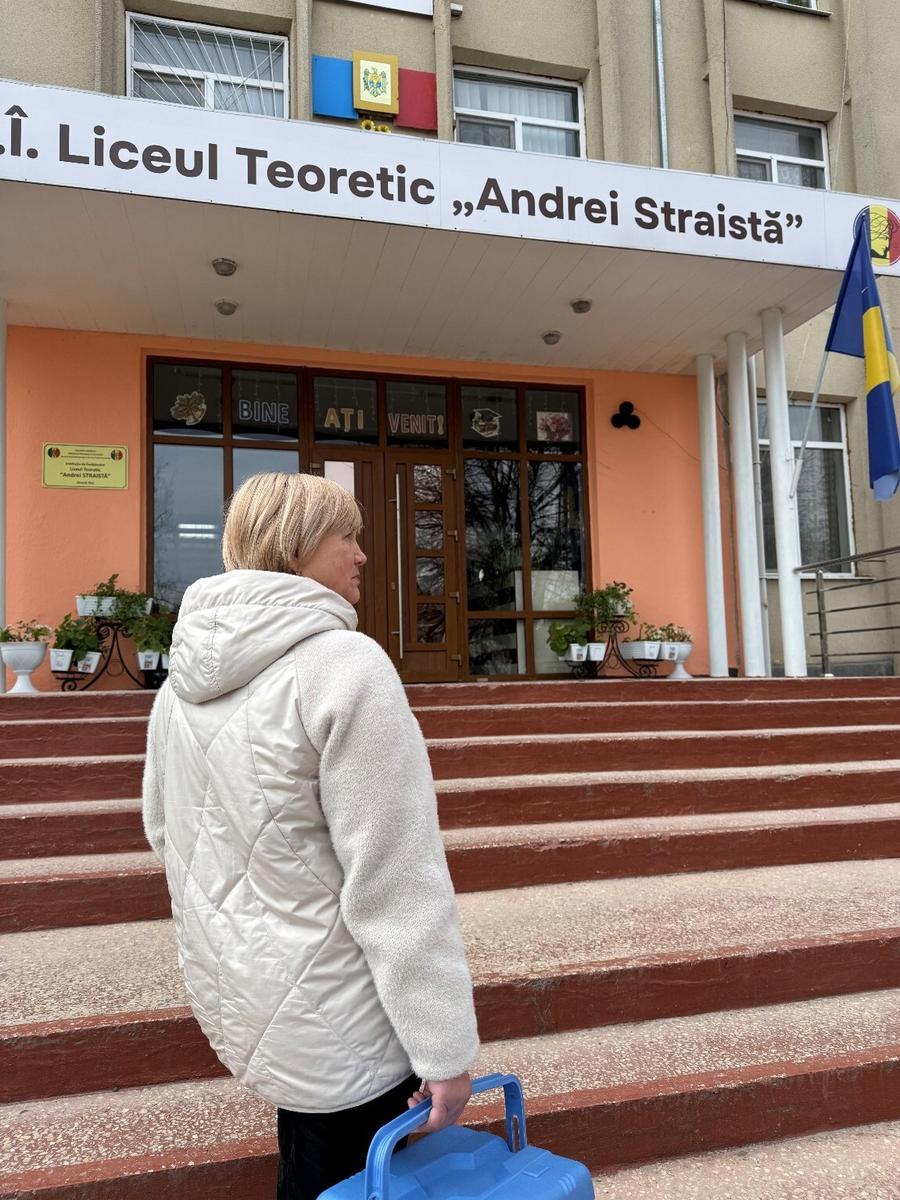
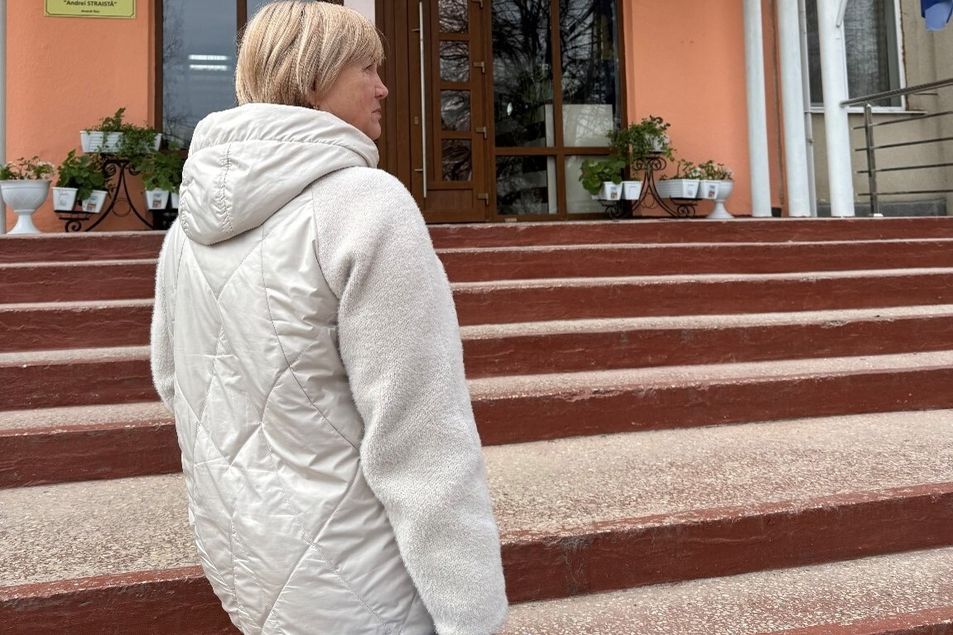
Photo: “Andrei Straistă” Theoretical High School, Anenii Noil in Moldova

The value of improved school conditions is perhaps best expressed by the students who experience them every day. Access to drinking water at school is a basic need, but it can also make children feel more comfortable and cared for in their learning environment.

“I am very happy that we now have these conditions at our school,”

says Maria, a seventh-grade student in Vatici village.
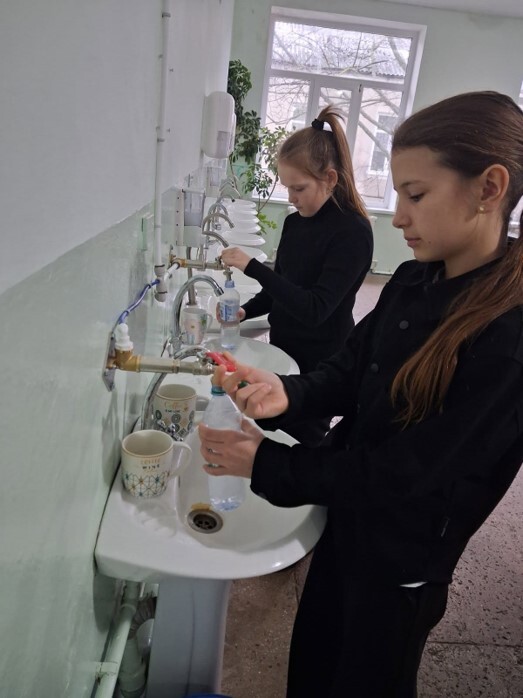
Access to safe water in rural areas of Moldova

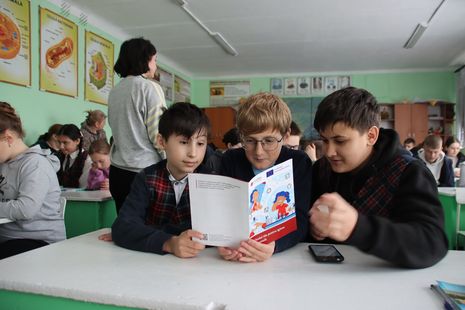
Photo: Students driniking filterted water in Batir village, Moldova

Access to safe water in rural areas of Moldova

Between 2024 and 2026, Caritas Czech Republic in Moldova supported the installation of water filtration systems in 15 rural schools located in the villages of Brînza and Slobozia Mare (Cahul District), Batîr (Cimișlia District), Hîjdieni (Glodeni District), Buțeni and Hîncești (Hîncești District), Costești, Dănceni and Mileștii Mici (Ialoveni District), Vatici (Orhei District), Rădoaia and Sîngerei (Sîngerei District), Talmaza (Ștefan Vodă District), Bucovăț (Strășeni District), and Anenii Noi (Anenii Noi District). Post-installation water quality tests were conducted in all 15 schools to assess the quality of the drinking water.

Alongside the installation of filtration systems, our implementing partners, AO LDA and AO AOSH distributed 50 hygiene kits in each participating school for girls from the most vulnerable families. In addition, we provided training for school staff on the technical maintenance of the filtration systems and safe water practices, supporting their continued use and promoting better hygiene in schools.

With the financial support of the European Union, Caritas Czech Republic in Moldova continues to work with local communities and educational institutions to improve water, sanitation and hygiene conditions and help create safer, healthier learning environments for children in rural Moldova.


Související články

There is no life without water: How Caritas helps secure access to it
– Humanitární pomoc a rozvojová spolupráce Charity ČR
–

This summer, the Czech Republic has already experienced several temperature records. We cope with the hottest days by staying indoors or finding shade wherever we can. Gardeners irrigate their crops with well water, while farmers cool their livestock with measures such as fans. During these periods, many of us impatiently wait for rain and make sure to stay hydrated. But can you imagine coping with extreme heat without access to water? Today, more than 2 billion people worldwide lack access to a safe source of drinking water. In some places, prolonged droughts and the impacts of climate change are the main causes. Elsewhere, armed conflicts further worsen the situation by destroying infrastructure and disrupting water supplies. We bring you an overview of the countries where Caritas Czech Republic is helping – from providing access to safe drinking water to supporting agriculture during droughts. 

Caritas Czech Republic is building a rainwater harvesting system at “Albinuța” kindergarten, in Moldova  Bilicenii Vechi
News – CCR-Moldova

Caritas Czech Republic is building a rainwater harvesting system at “Albinuța” kindergarten, in Moldova

–

At the beginning of September, Caritas Czech Republic in Moldova, in partnership with the Bilicenii Vechi City Hall, initiated the installation of a rainwater collection and utilisation system at the “Albinuța” kindergarten. The system, which involves capturing, filtering, and storing rainwater, will serve household needs, reducing the consumption of water from conventional sources and helping to cut institutional costs. This step is especially important in the context of many rural kindergartens facing a lack of running water, where alternative solutions are essential to ensure proper hygiene conditions for children. Moreover, the initiative provides a concrete example of how natural resources can be used efficiently and responsibly, with plans to replicate it in other institutions across Moldova.

Caritas Czech Republic supports hygiene education and sanitation improvements in Moldavian rural schools Cobusca Noua, Moldova
News – CCR-Moldova

Caritas Czech Republic supports hygiene education and sanitation improvements in Moldavian rural schools

–

In Moldova, outdated infrastructure and limited access to safe drinking water present a major challenge for many rural communities, especially in schools. Many educational institutions rely on wells or old plumbing systems that do not meet national safety standards, exposing children to health risks on a daily basis. To address this issue, Caritas Czech Republic, with financial support from the European Union, is conducting an initiative aimed at modernising sanitation facilities in schools and raising awareness about hygiene among students, teachers, and parents.

How Caritas Czech Republic is bringing clean water to rural Moldovan schools wash project
News – CCR-Moldova

How Caritas Czech Republic is bringing clean water to rural Moldovan schools

–

Access to clean drinking water is a fundamental human right, yet millions of people worldwide still lack it. According to the World Health Organization, approximately 2 billion people globally use contaminated water, leading to serious health risks. In low-income countries, including Moldova, many rural communities face significant challenges in accessing safe water. Schools, where children spend a significant portion of their day, are often the most affected. Caritas Czech Republic, with the financial help from European Union is addressing these issues by installing water filters in 15 schools in Moldova by 2026.